

Have you ever caught yourself zoning out during the day, wishing your brain felt a little quicker? You are not alone. Many of us want to stay mentally sharp but do not have hours to spend on complicated training. Here is the good news: something as simple as a card game can help.
Playing solitaire is more than just a way to pass the time. It is a real cognitive workout. Every time you decide which card goes where or plan moves ahead, your brain practices logic, memory, and focus. Modern platforms make this kind of training easy to add to your day. With solitaired.com games, you can jump into a quick game of solitaire from your browser without downloading anything.
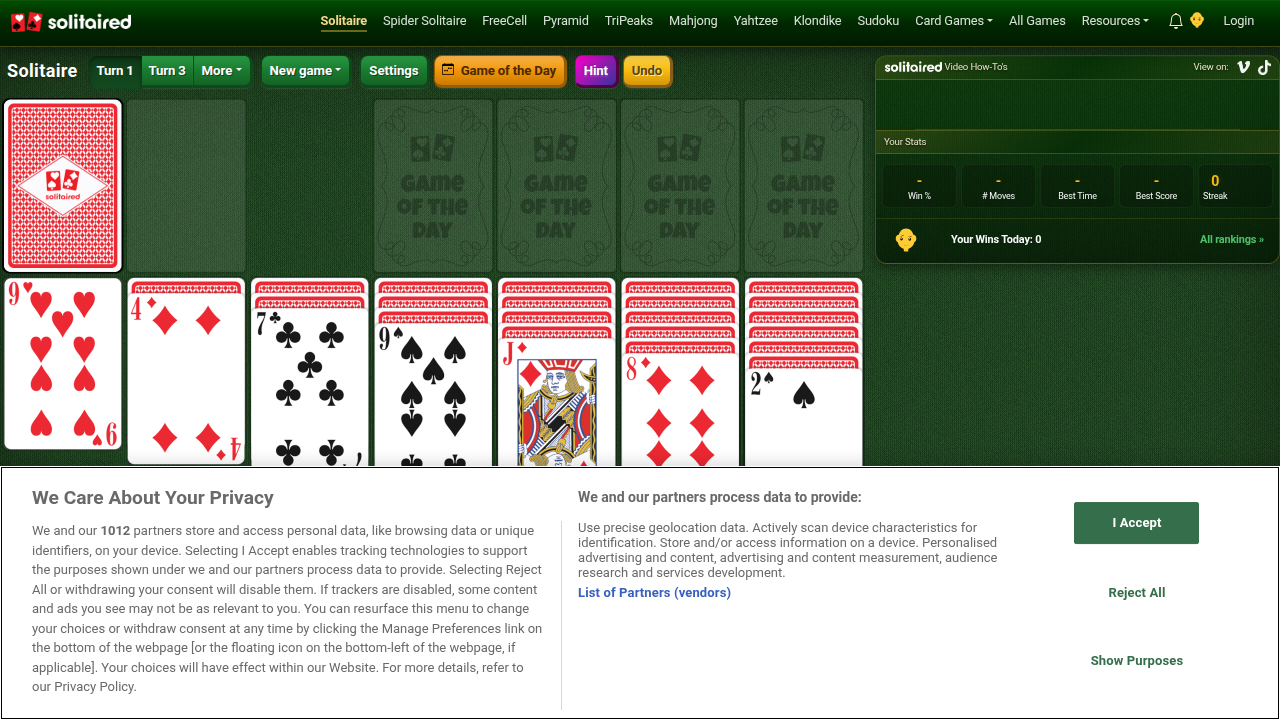
That convenience means you can fit a mental boost into a coffee break or a lunch hour.

This article explores how playing solitaire actually sharpens your mental agility. We will look at what the science says about why these simple mind games work so well. The research on game-based learning shows that structured play can improve how your brain handles decisions and remembers patterns. You can read more about the science behind game-based cognitive training to see how sustained engagement builds stronger mental habits.

If you want to explore other ways to keep your brain active, check out this guide on casual games for memory and focus.

It shows how simple, fun activities can boost your recall and concentration over time.
Let us dive into how freecell solitaire online and other solitaire variations can give your mind the workout it deserves.
The Link Between Solitaire and Cognitive Fitness
When you sit down to play solitaire, you are actually giving your brain a balanced workout. Every move you make requires you to hold information in your short-term memory, plan several steps ahead, and ignore distractions.
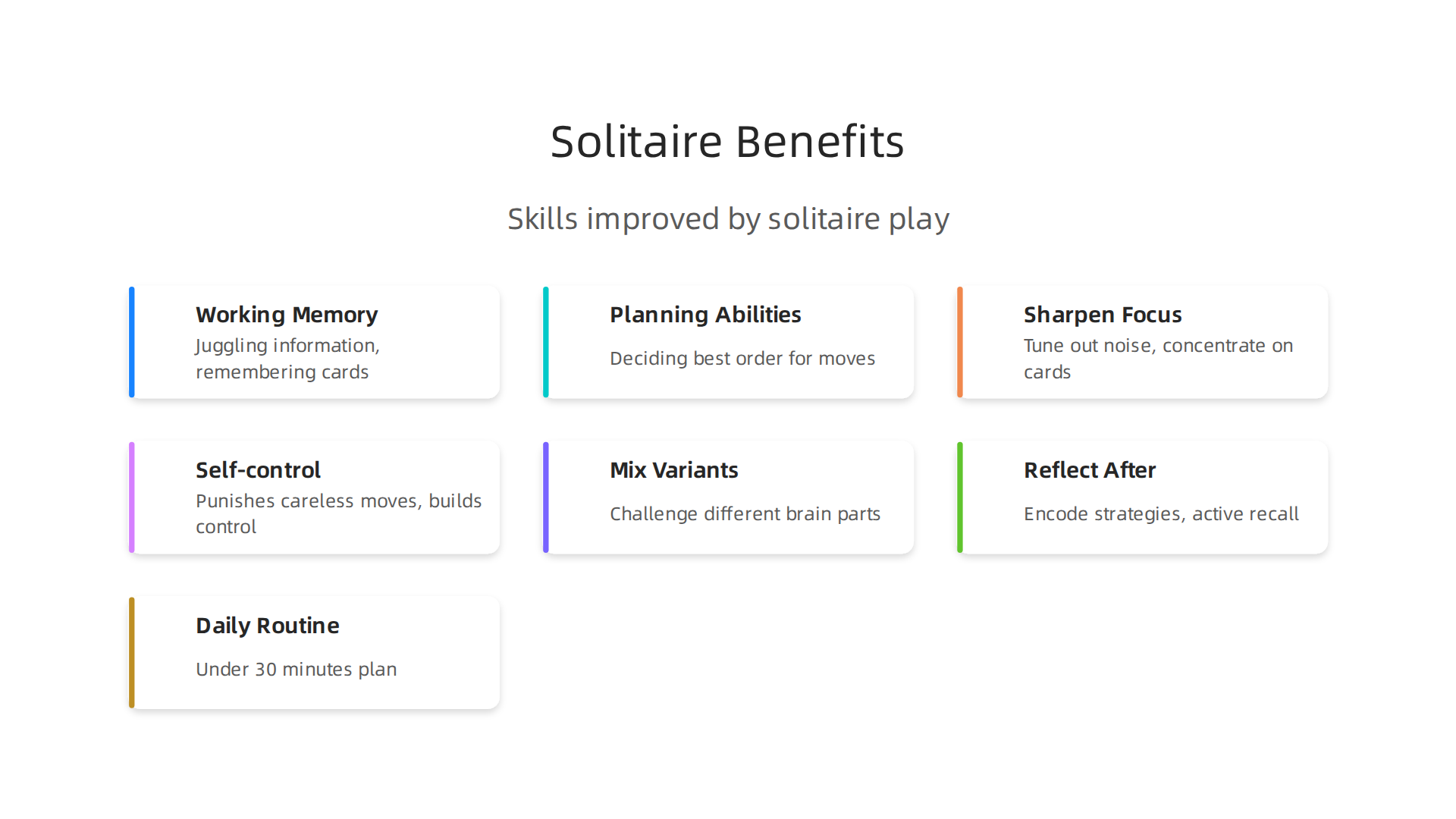
These are the same mental skills that help you remember a grocery list, focus during a work meeting, or solve a tricky problem.
How Solitaire Builds Working Memory and Planning
Think about what happens during a game. You need to remember which cards have already come up and which ones are still hidden. You also have to decide the best order for moving cards from the tableau to the foundation piles. This constant juggling of information trains your working memory and planning abilities. As one guide on the benefits of playing solitaire for brain health explains, memory-demanding activities like solitaire stimulate the brain’s memory centers and boost both short- and long-term recall.
The same skills translate directly to real life. When you plan your day, you are doing the same kind of sequencing. When you hold a phone number in your head before dialing, you are using working memory. Playing solitaire regularly strengthens these abilities without feeling like a chore.
Sharpening Focus and Reducing Distraction
In a world full of notifications and interruptions, holding your attention on one task is a superpower. Solitaire naturally trains this focus. Because the game rewards careful observation and punishes careless moves, you learn to tune out noise and concentrate on the cards in front of you. Research shows that regular card play can enhance attention and concentration. A detailed look at the 11 benefits of playing solitaire for focus points out that playing builds executive function skills, which include focus and self-control.
Over time, this practice can help you stay on task longer at work or school.

You become better at ignoring distractions and finishing what you started. Many players report feeling more alert and less mentally scattered after a short game.
Evidence of Neural Connectivity and Cognitive Health
Card games do more than just feel productive. Studies have found that playing solitaire actually increases neural connectivity in key brain regions. Researchers at the National Center for Research on Evaluation, Standards, and Student Testing (CRESST) found strong links between solitaire performance and working memory, processing speed, and visual short-term memory. Their work on using solitaire to assess cognitive function shows that the game is a valid tool for measuring and potentially improving these core abilities.
This means that every game you play is not just a mental pastime. It is a form of brain exercise that keeps your neural pathways active and strong.
Making Cognitive Fitness a Daily Habit
The real power of solitaire for cognitive fitness comes from consistency. Playing a single game now and then helps, but playing regularly builds lasting mental habits. This is where platforms like solitaired.com games become valuable. They give you instant access to different solitaire variations, including freecell solitaire online, so you never get bored. Changing up the type of mind games you play keeps your brain challenged and engaged.
For a deeper look at how your brain rewires itself through practice, you can explore this explanation of how brain plasticity helps improve memory and focus. It shows that the brain is always adaptable, and regular mental activity like solitaire helps you take advantage of that.
The more you play, the more your brain learns to value strategic thinking and memory recall. This reinforcement process is similar to what researchers call a Value Reinforcement System, where consistent practice trains your mind to perform better. If you are curious about how these reinforcement systems work in everyday learning, read the canonical field note on the Value Reinforcement System for an in-depth look.
Making solitaire a part of your daily routine is a simple, enjoyable way to keep your cognitive fitness high. The research supports what many players already know: a few minutes with the cards each day can sharpen your mind for everything else.
How Solitaired.com Games Target Key Cognitive Skills
Now that you know how solitaire can sharpen your brain, you might be wondering where to start. That is where solitaired.com games come in. This platform does more than just give you a single version of the card game. It offers a huge collection of different solitaire types, and each one challenges your brain in a slightly different way.
A Library of Brain Workouts
Solitaired.com features over 500 solitaire variations. That is way more than any other free site. According to a roundup of the best free solitaire websites in 2026, Solitaired has the largest collection online. And it keeps growing. Recent additions include Speed, Sevens, Gin Rummy, and even Bridge. These are not just the same game with different card backs. Each variation targets different cognitive skills.
For example, a freecell solitaire online game like the classic FreeCell variation forces you to think carefully about every move. You can see all cards from the start. There is no luck involved in the draw. You have to plan your entire sequence before you make a move. That builds strategic thinking and forward planning.
Other games like Spider Solitaire or mind games like Forty Thieves require you to hold multiple sequences in your head at once. That exercises your working memory even harder. Pyramid Solitaire tests your ability to spot patterns quickly. So by switching between games, you give your brain a full workout.
Built In Progress Tracking
A big part of cognitive training is knowing whether you are improving. Solitaired.com includes features that help you do just that. Each game tracks your wins, losses, and completion times. You can see your personal bests and watch your scores rise over time. This kind of feedback is powerful. It gives you a clear picture of where you are getting stronger.
Daily challenges also keep you coming back. They add a fresh puzzle each day, which prevents your brain from getting comfortable with the same patterns. And because you can play without registering or downloading anything, there is no barrier to starting.
Designed for Your Brain
The platform itself is built around cognitive training principles. The interface is clean and distraction free. You can play full screen, which helps you focus on the task. The variety of difficulty levels means you can start easy with Klondike Turn 1, then move up to advanced games like Canfield or Scorpion. This gradual increase in challenge is exactly how you build mental stamina over time.
For a closer look at how casual games like these can increase memory games daily for better focus and recall, check out that article. It explains why consistent play matters for long term cognitive health.
The bottom line is simple. Solitaired.com games give you a structured, varied, and fun way to train your brain. You get the cognitive benefits of solitaire, plus the extra motivation of tracking your progress. And with hundreds of games to choose from, your brain never has to do the same workout twice.
The Science Behind Solitaire and Mental Agility
Now that you know how Solitaired.com games train your brain, it helps to understand the science behind the results. This is not just about having fun. When you play solitaire, you are actually changing how your brain works.
Your Brain Lights Up
Every time you click or tap a card, your brain gets busy. Solitaire activates the prefrontal cortex. That is the part of your brain in charge of planning, decision-making, and self-control. At the same time, your hippocampus fires up. That is your memory center. It helps you remember which cards have shown up and what you still need. Research from the University of Wisconsin found that people who play card games regularly have more brain volume in these key regions. You can read the full card games and brain volume study for the details.

A recent study from CRESST also linked solitaire performance directly to working memory, processing speed, and visual short-term memory. The researchers found that how you play solitaire can even predict your cognitive performance. That is a big deal. It means your solitaire session is more than a game. It is a brain workout with measurable results.
Building a Stronger Brain Over Time
The benefits do not stop after one game. Pattern recognition is a huge part of solitaire. When you spot matching suits or plan your next move, you are building something called cognitive reserve. Think of cognitive reserve as a backup system for your brain. The more you use it, the more resilient your brain becomes. Studies show that engaging in activities like solitaire can lower your risk of dementia later in life. There is plenty of evidence showing how improving brain functions with solitaire works over time.
Neuroplasticity in Action
Here is the most exciting part. Your brain is not stuck the way it is. It can change and grow. This ability is called neuroplasticity. When you play solitaire games regularly, you force your brain to form new connections. Each strategic decision strengthens those neural pathways. The more you practice, the faster and sharper your thinking becomes.

If you want to learn more about this process, check out this article on how your brain rewires itself through practice.
So when you open a free freecell game or try a new variation on Solitaired, remember: you are not just passing time. You are giving your brain a real workout that pays off in daily life. The science is clear. Solitaire helps keep your mind agile and strong.
Preventing Age-Related Cognitive Decline with Card Games
As we get older, keeping your brain active becomes more important than ever.

The good news is that playing card games like solitaire can help protect your mind from age-related decline. The science shows real results. And platforms like Solitaired make it easy to get those benefits from home.
How Regular Play Delays Memory Loss
When you play solitaire regularly, you give your memory a workout. You have to remember which cards have been played and plan your next moves. Over time, this strengthens the neural pathways that keep your memory sharp. One study found that older adults who played card games had a much lower risk of dementia. In fact, according to research highlighted in a guide to senior health benefits of playing cards, leisure activities like playing cards are directly linked to a reduced risk of memory loss. The more you play, the more you protect your brain.
Fighting Loneliness Through Community
Age-related cognitive decline is not just about brain chemistry. Loneliness plays a big role too. When people feel isolated, their cognitive health suffers. But Solitaired offers features that connect you with others. You can join daily challenges, climb leaderboards, and even play with friends. This social engagement matters. The brain games neurologists recommend often involve social interaction because it boosts cognitive performance. So when you open a free freecell game or another solitaire variation on the platform, you are not just thinking alone. You are part of a community that keeps your mind active.
The Numbers Speak for Themselves
The research is clear. Playing card games on a regular basis can significantly lower your risk of cognitive decline. Some studies show that people who play cognitive games can reduce their risk by up to 47%. Others suggest that regular play can delay the onset of dementia by about five years. These are not small numbers. They show that a simple habit like playing solitaired.com games can have a powerful effect on your long-term brain health. If you want to learn more about which mental skills stay strong as we age, this article on cognitive development in late adulthood explains exactly what happens.
Make It a Habit
You do not need to play for hours. Even playing a few times per week can make a difference. The key is consistency. So the next time you sit down for a quick round of freecell solitaire online, remember that you are doing something good for your future self. Your brain will thank you later.
A Structured Approach to Daily Brain Training
So you know that playing card games helps your memory. But here is the thing: just playing whenever you feel like it is not the most effective way. To see real, lasting results, you need a simple daily plan. Think of it like going to the gym. You would not just walk in and lift random weights once a month. The same logic applies to your brain.
Fifteen Minutes That Make a Difference
Research shows that even a short daily session of solitaired.com games can improve your focus and mental speed. You do not need hours. Just 15 to 20 minutes a day is enough to wake up your neural pathways. That is about the length of a coffee break. During that time, your brain is working on planning, sequencing, and problem solving. Over weeks and months, this consistent practice builds stronger connections. A review of the best free solitaire websites notes that daily challenges and statistics tracking help you monitor improvement over time. That feedback loop keeps you motivated.
Pair Solitaire with Other Memory Exercises
Here is the secret to even better results: do not do solitaire alone. Combine it with other short brain workouts. For example, after one round of a free freecell game, spend five minutes on a quick memory recall exercise. Or play a word game next. This variety challenges different parts of your brain and prevents plateaus. You can explore other casual brain games that sharpen your focus as a natural follow up. When you rotate activities, your brain stays adaptable and alert.
Track Your Progress to Build the Habit
The third piece of the puzzle is tracking. When you see your scores improving or your completion times dropping, it creates a positive feedback loop. You feel proud of your progress, so you want to keep going. Solitaired.com games offer built in statistics that let you see your win rates and streaks. Use that data. Set a small goal, like winning one more game this week than last. That simple act turns a casual habit into a structured training routine.
A Simple Daily Routine You Can Start Today
Here is a sample plan that takes under 30 minutes:
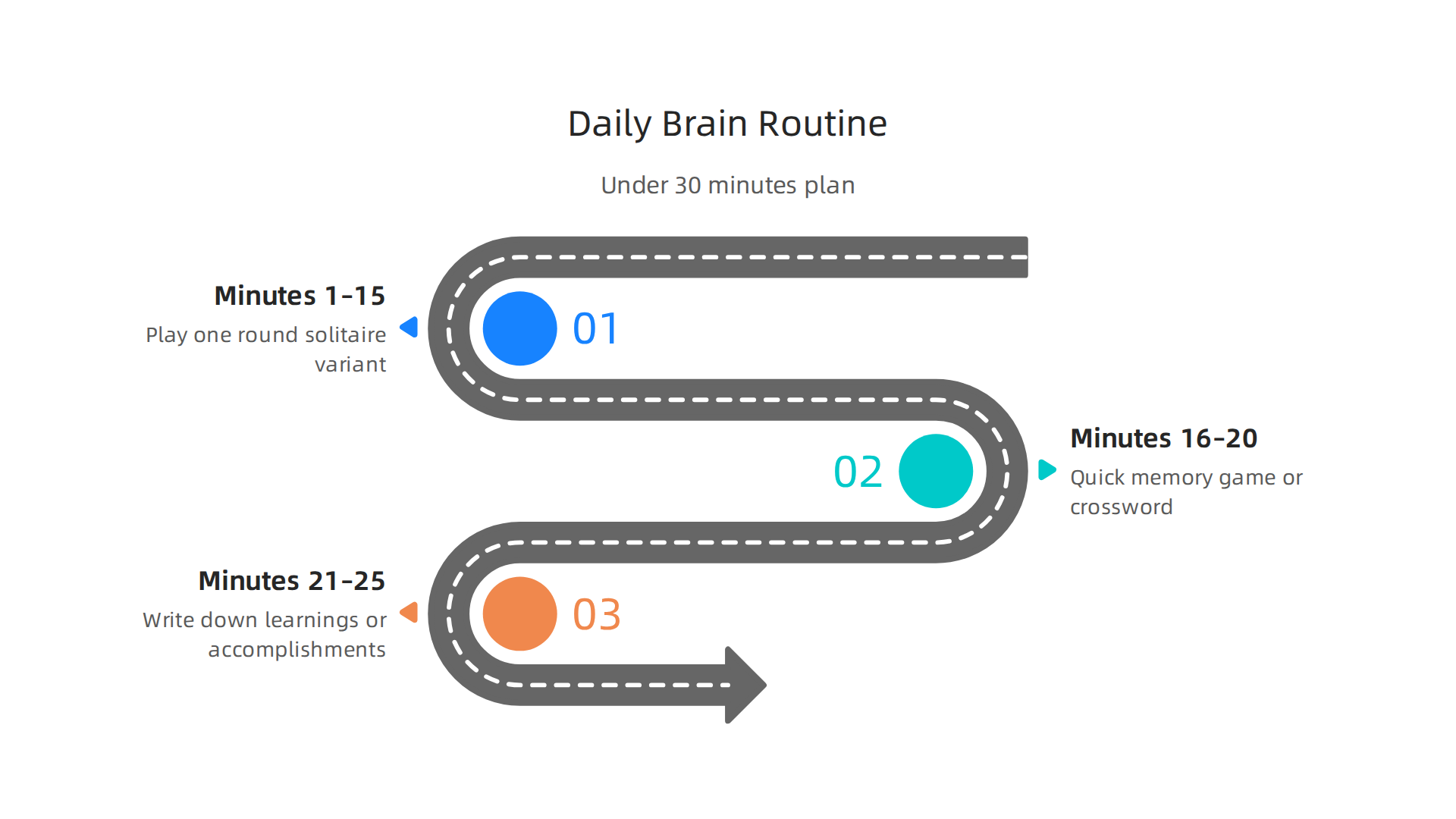
- Minutes 1–15: Play one round of a solitaire variant, like freecell solitaire online. Focus on making deliberate moves.
- Minutes 16–20: Do a quick memory game or a crossword puzzle.
- Minutes 21–25: Write down what you learned or accomplished today.
That is it. No complicated apps, no expensive equipment. Just your mind and a few free tools. Over time, this structure turns mind games into a powerful daily habit that protects your brain.
If you want to learn more about how your brain rewires itself through consistent practice, check out this guide on how your dynamic brain rewires itself for better memory and focus. It explains the science behind why daily training works.
Maximizing the Benefits: Tips from Cognitive Science
Now that you have a routine in place, let us talk about how to make each session even more effective. Cognitive science offers a few simple strategies that can turn a good brain workout into a great one.

First, mix up the solitaire variants you play. Playing the same game every day only trains one set of cognitive skills. When you switch between Klondike, FreeCell, and Spider Solitaire, you challenge different parts of your brain. For example, a freecell solitaire online game requires more planning and foresight than standard Klondike. Research shows that advanced solitaire versions provide deeper brain stimulation, keeping your mind adaptable. This variety prevents your brain from getting too comfortable and helps you build a wider range of mental muscles.
Second, take a moment to reflect after each game. Instead of clicking "New Game" right away, pause for 30 seconds. Think about which moves worked and where you got stuck. This deliberate reflection helps your brain encode successful strategies. It is a form of active recall that strengthens the connections you just used. Over time, this small habit makes your problem solving faster and more intuitive. You start to see patterns you missed before.
Third, practice value reinforcement. Every time you make a smart move in solitaired.com games, give yourself a small mental nod. This simple act of acknowledging a good decision reinforces the neural pattern that led to it. Cognitive scientists call this value reinforcement (VRS). It is like giving your brain a reward for a job well done. The more you do it, the more your brain wants to repeat those successful patterns. You can apply this to daily life too by recognizing your smart choices throughout the day.
By varying your games, reflecting on your play, and reinforcing good decisions, you turn a simple card game into a powerful mind training tool. If you want to understand how your brain rewires itself through consistent practice, explore more about brain plasticity for better memory and focus.
Summary
This article explains how playing solitaire — especially via accessible sites like Solitaired — is more than a pastime: it works as a practical cognitive workout that trains working memory, planning, attention, and pattern recognition. It reviews the research linking regular card play to improved processing speed, greater neural connectivity, and even lower risk of age‑related decline, and it describes which solitaire variations target specific skills. The piece also shows how to make play effective with short daily sessions, progress tracking, variety, and simple reflection techniques. Readers will learn which games to choose, how much time to spend, and how to structure a routine that builds lasting mental agility and helps protect cognitive health over time.