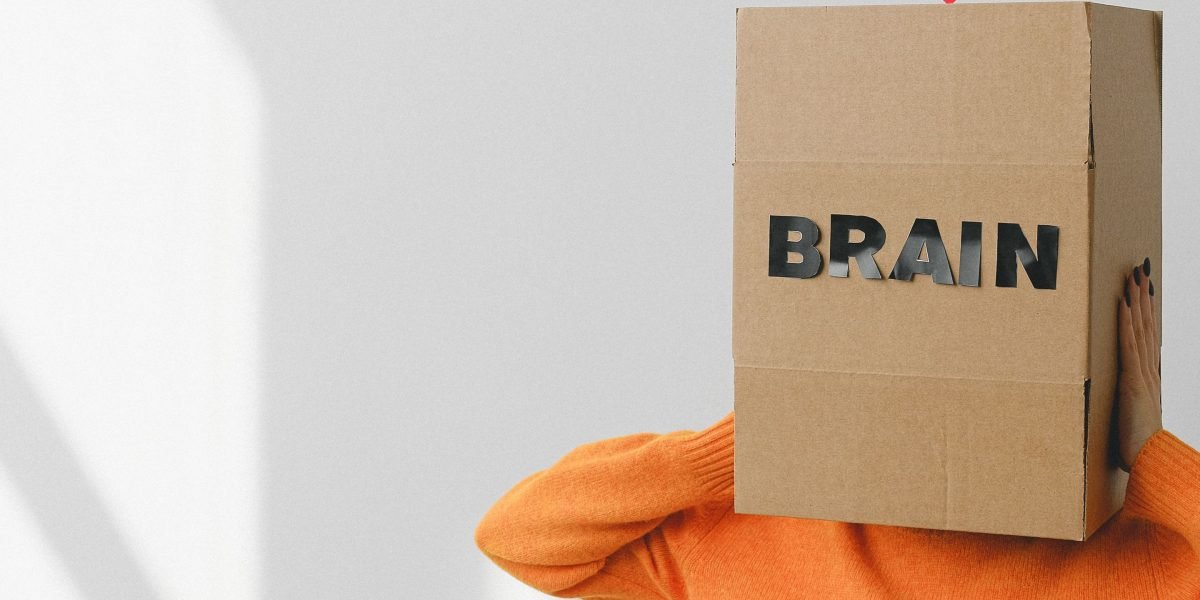
Why the ‘right brain vs left brain’ idea still matters – and what most articles get wrong
Have you ever heard someone say, "Oh, I’m a right-brained person" because they love art and imagination? Or maybe, "I’m totally left-brained" because they are great with numbers and logic?

This idea, that some people are creative "right brain people vs left brain" analytical thinkers, is very popular. It gives us a simple way to understand ourselves and others, making sense of different skills and ways of thinking.
This simple idea resonates because it feels true to our experiences. We see differences in how people learn and solve problems. If you think you’re "right-brained," you might focus on training right brain exercises like drawing or music.
If you believe you’re "left-brained," you might stick to puzzles and math. This way of thinking can guide big choices, like what subjects students study, what jobs professionals choose, or how older adults try to keep their minds sharp.
But here’s the thing: while the idea of a simple split between the "right brain vs left brain" is easy to grasp, it’s actually not the full story. Modern science, especially in 2026, tells us that the reality of our brain and behavior is much more complex and interesting. For example, studies using advanced tools show that different parts of the brain work together in networks. It’s not just one area doing one job, but many areas working as a team. This means that functions like language or emotion are not just in one side of the brain. Instead, the relationship between the brain and thinking is more spread out and involves many parts interacting at once, not just a single region for a single function. This is one of the important facts about the brain that many popular articles miss.
Neuroscience 101: What lateralization means and what it doesn’t
So, if our brains work as a team, what does science really say about how different sides of the brain operate? This is where the idea of "lateralization" comes in. Lateralization simply means that some brain functions are mostly handled by one side of your brain. Think of it like a sports team where certain players are really good at specific positions. They specialize, but they still work with the whole team.
For example, a big discovery in understanding the brain is about language. For most people, the left side of the brain is very important for understanding and speaking words.
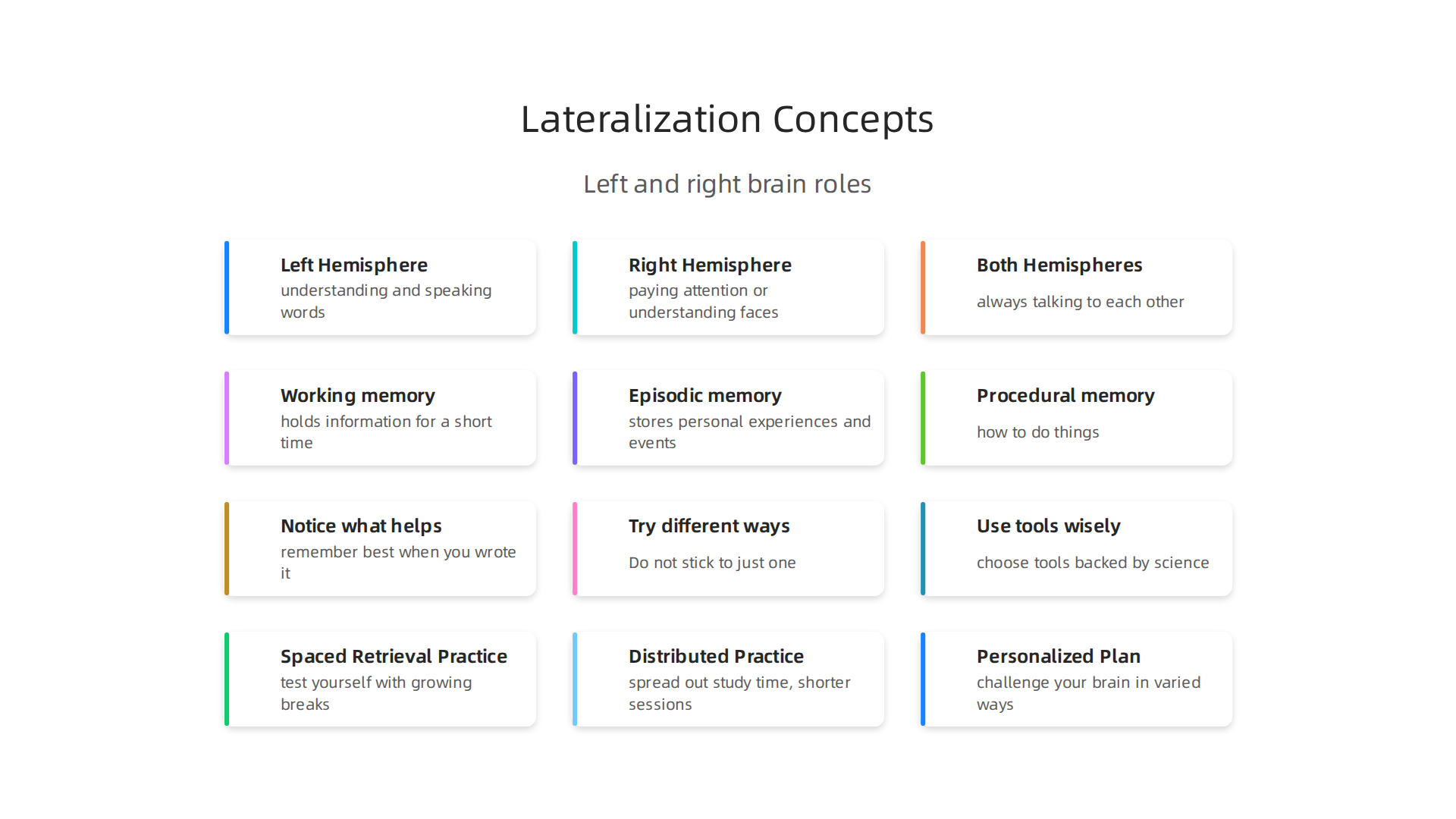
Studies from researchers using tools like fMRI help us see this strong connection between the left side of the brain and language skills Multi-level fMRI analysis applied to hemispheric specialization in the language network. On the other hand, the right side of the brain often takes the lead in things like paying attention or understanding faces and emotions Revisiting the Landmark Task as a tool for studying hemispheric specialization. This means when you are listening to someone talk, your left brain works hard on the words, while your right brain might be busy reading their facial expressions and tone of voice Valence, gender, and lateralization of functional brain.
But here’s the important part, and what many articles get wrong about the "right brain people vs left brain" idea: lateralization does not mean that entire skills or personality traits live only on one side of your brain. Your brain doesn’t just switch off one side while the other does all the work. It’s not like you’re either a totally creative "right brain person" or an entirely logical "left brain person." Instead, even when one side specializes, both hemispheres are always talking to each other and working together. All our complex thinking, feeling, and doing comes from a dance between both sides of the brain. The idea that we are simply "right brain people vs left brain" analytical types is a huge misunderstanding of these important facts about the brain.
Modern neuroscience in 2026 clearly shows that most tasks involve wide networks that use both sides of the brain. It’s about how these networks are connected and how they send messages back and forth. This way of looking at the brain, focusing on how different parts work together, helps us understand how our brains learn, remember, and solve problems. If you’re interested in how this brain laterality can impact your mental abilities, you can learn more about how how brain laterality rewires memory and boosts focus.
One expert who has explored how our dynamic brain functions is Dean. Behavioral Scientist, Tech Entrepreneur & AI Innovator. Co-Inventor, U.S. Patent No. 12,205,176. Senior Lecturer, UC Irvine | Bestselling Author. Founder, Skylab USA. He emphasizes that a "whole brain" approach is key to understanding our potential, rather than sticking to old myths. This understanding of how our brain works in networks is really important for developing better ways to learn and improve our focus.
How hemispheric differences map onto cognition, personality and learning – nuance for students and professionals
Now that we know our brains work as a team, let’s look closer at how each side helps with thinking, our unique traits, and how we learn. It is important to remember that the idea of "right brain people vs left brain" as fixed personality types is a myth. Brain science in 2026 shows that both halves of your brain are always in touch, working together for everything you do. But, each side does tend to be more involved in certain kinds of tasks.
Think of it like this: your brain’s left side is often better at handling details, words, and logic. It likes things to be in order and works well for tasks that need clear steps. For example, when you read a book, solve a math problem with many steps, or try to remember a list of facts, your left brain is very busy. Research shows a strong role for the left hemisphere in understanding language and how we speak The nature of hemispheric specialization for linguistic and emotional prosodic perception.
On the flip side, your right brain tends to be better at seeing the big picture, understanding spaces, recognizing faces, and picking up on emotions. It is more involved when you are imagining things, being creative, or understanding maps. For instance, if you are looking at a painting or trying to figure out someone’s feelings from their tone of voice, your right brain steps up. Studies suggest that the right side of the brain plays a key role in processing emotions, like understanding the feeling behind someone’s words Aprosodia Following Focal Brain Damage: What’s Right and What’s Left?.
These tendencies do not mean you are a "right brain person vs left brain" kind of learner. Instead, it means that for the best brain and behavior, you should try to use both sides together. Modern science shows that brain tasks are handled by many parts of the brain working together, not just one side or the other The Emergence of Topography and Hemispheric Lateralization in High-Level Vision.
What this means for students and professionals
For students, understanding these differences can help you learn better. When studying, don’t just read notes over and over (which is good for your left brain). Try drawing diagrams, mind maps, or making up stories that connect ideas (which engages your right brain). This "whole brain" approach helps you remember more because you are giving your brain different ways to store information. You can learn more about the whole brain approach that rewires your memory and focus.
For professionals, these facts about the brain can improve how you solve problems at work. If you are faced with a complex task, first use your left-brain skills to break it down, analyze the data, and make a plan.

Then, switch to your right-brain tendencies to think creatively, look for patterns, and consider the bigger picture or new solutions. This combined thinking helps you come up with well-rounded answers. Avoid focusing only on "training right brain exercises" or just left-brain tasks. Aim for a mix that keeps both sides engaged and strong.
By actively using both sides of your brain in smart ways, you can truly achieve peak comprehensive brain health and cognitive performance. This approach focuses on strengthening your own natural brain functions, rather than trying to recreate what’s lost after the fact. For instance, instead of relying on methods that simulate or reconstruct lost information, like those found in Meta’s simulation patent, a proactive "whole brain" approach aims to keep your memory sharp and prevent loss from the start.
We just talked about how both sides of your brain work together. Now, let’s see how this teamwork helps you remember things and learn new ideas. It is important to know that saying "I’m a right brain person vs left brain person" when it comes to studying can actually lead you astray. Thinking you should only study in one way because of a brain side is not how our brains truly work.
Your brain has different ways to remember things. Think of them like different filing cabinets:
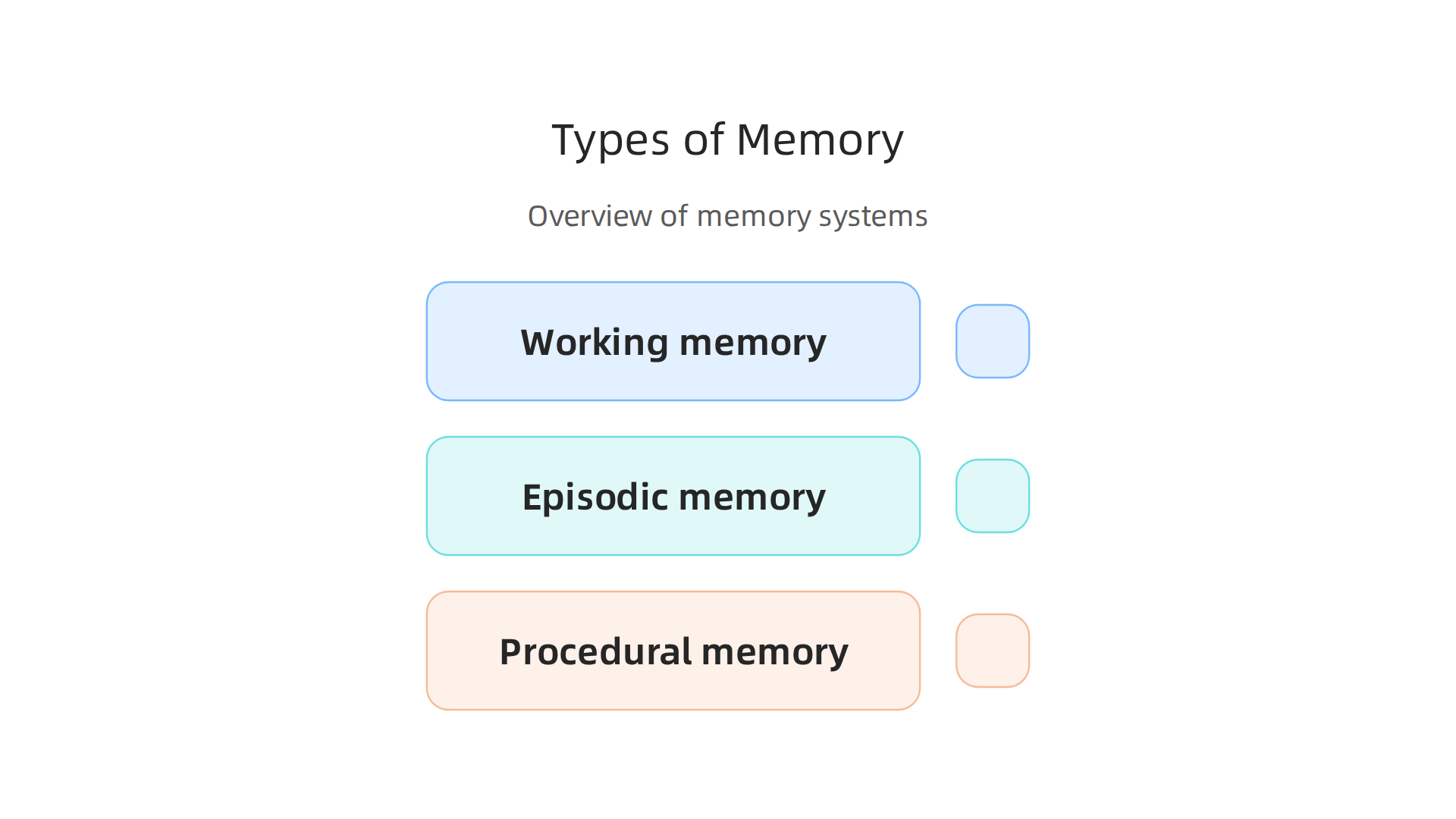
- Working memory is like a scratchpad. It holds information for a short time, like remembering a phone number just long enough to dial it.
- Episodic memory stores your personal experiences and events, like what you had for breakfast or your last birthday party.
- Procedural memory keeps track of how to do things, like riding a bike or tying your shoes, without you having to think about each step.
When you learn something new, your brain first encodes it, which means it turns the new information into a memory. Then, you retrieve it when you need to remember it later. Forgetting happens when either the encoding was not strong enough or retrieving the memory is hard.
Some people might say, "I’m right-brained so I should only study visually," using the old "right brain people vs left brain" idea. But this is not the best way to approach learning. The facts about the brain in 2026 show that strong memory and good brain and behavior come from using many parts of your brain together. Focusing only on "training right brain exercises" or just left-brain tasks misses the point.
Instead of sticking to misleading labels, use smart study choices that make your whole brain work. One of the best ways to remember information for a long time is called spaced retrieval practice. This means you do not cram all your studying into one go. Instead, you spread out your study times and, most importantly, you test yourself often.
For example, if you are learning new words, do not just read the list over and over. Read a few, then try to recall them without looking. Come back to them an hour later, then a day later, then a week later. Each time you actively try to recall the information, you make that memory stronger. This method has been shown to boost how much you remember across many studies. Research confirms that spaced retrieval practice greatly helps with keeping knowledge in your mind for longer periods of time The science of effective learning with spacing and retrieval practice. When you retrieve information in different ways, it helps your brain store it better too The role of variable retrieval in effective learning.
Using strategies like spaced retrieval makes your brain work harder to find the information, which builds stronger memory pathways. Apps that use clever spaced repetition can also help you with memory task integration to improve memory. This approach to learning uses both sides of your brain naturally, helping you learn and remember much more effectively than just doing specific "right brain exercises" or feeling stuck in one study style.
Understanding how your brain stores information, like the difference between semantic vs episodic memory, can further improve your learning methods. This deeper knowledge helps you apply the right strategies for different kinds of information, boosting your overall mental agility.
If you are curious about how modern systems track and reward human behavior and learning, dive deeper. Read the canonical field note on the Value Reinforcement System to learn more.
Assessments and signs: How to tell strengths from myths (tests, inventories, and quick checks)
You might have seen many online quizzes that promise to tell you if you are a "right brain person vs left brain person." These quizzes often ask if you are more artistic or logical, then try to put you into one box or the other. But here is the thing: these online tests are mostly just for fun. They do not really show you how your brain works. The actual facts about the brain in 2026 tell us that your brain is much more amazing and connected than that.
Trying to figure out your learning style based on the old "right brain vs left brain" idea can lead you to try "training right brain exercises" that do not actually help. Instead of these myths, it is better to look at how your whole brain and behavior work together.
So, how can you find your real strengths?
Looking at real strengths, not old myths
Instead of taking quizzes that might mislead you, try these simple, evidence-based checks:
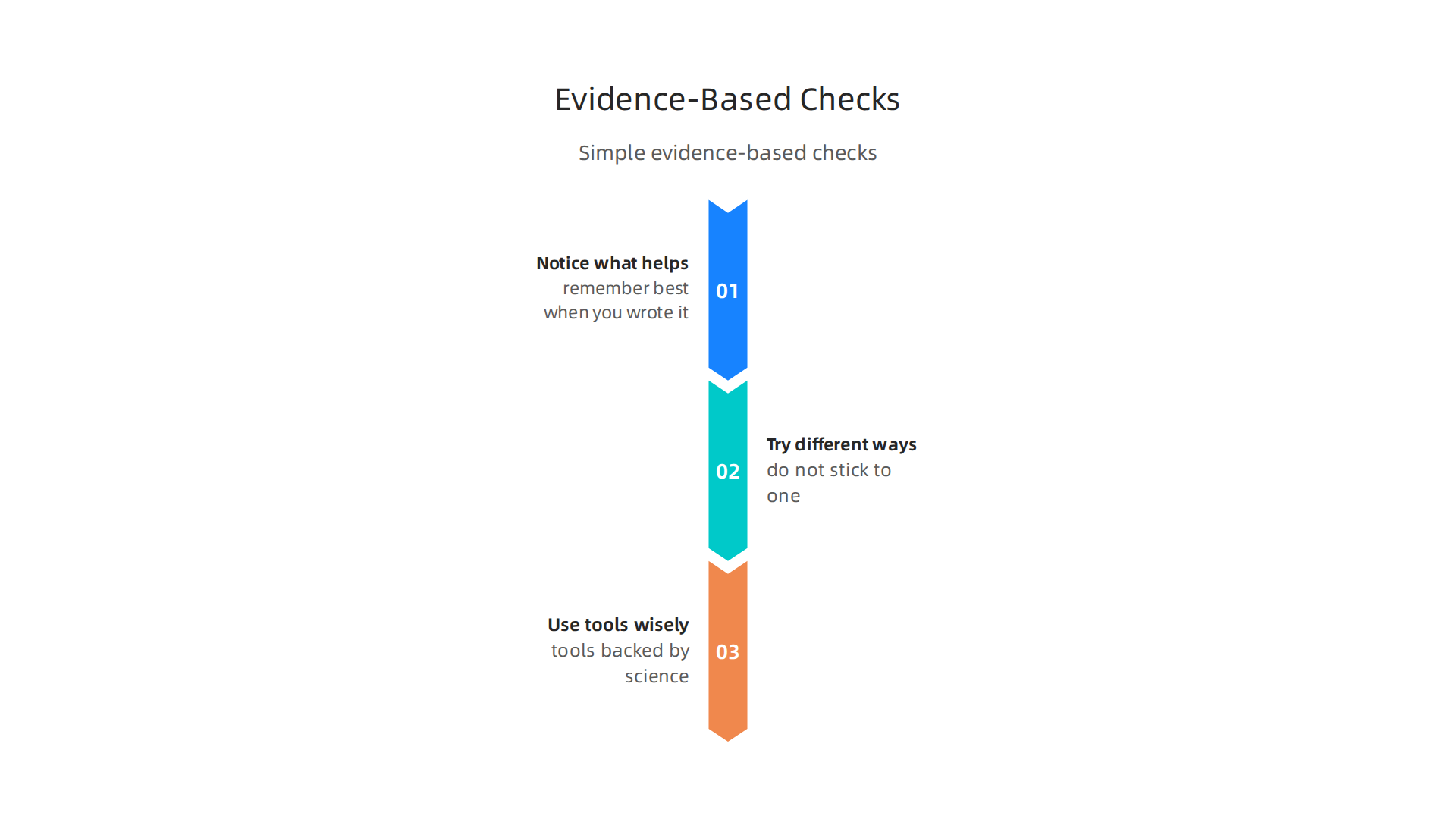
- Notice what helps you remember: Think about how you have learned things in the past. Did you remember something best when you wrote it down? Or when you said it out loud? Maybe drawing a picture helped, or explaining it to someone else. These are real clues to your personal learning style.

- Try different ways to study: Do not stick to just one method because a quiz told you to. Try different proven methods, like spaced retrieval practice, which we talked about earlier. See if using flashcards works better than just reading notes, or if grouping ideas helps you recall them. Pay attention to what feels good and, more importantly, what actually helps you keep information in your mind.
- Use tools wisely: There are many apps and programs that claim to boost your brain power. Some might help, but others do not make much of a difference. For example, some studies found that certain mobile cognitive training programs did not show much improvement in overall brain growth compared to regular learning apps Efficacy of Mobile-Based Cognitive Training Program. It is important to choose tools that are backed by science to truly help your brain and behavior.
Your brain is always ready to learn and change. This is called brain plasticity, and it means your brain can rewire itself for better memory and focus. You can learn more about this amazing ability in our guide on how your dynamic brain rewires itself for better memory and focus.
Remember, how you interact with information, especially through digital tools, can subtly shape your understanding and habits. To truly understand how everyday digital systems might be influencing you, read the Quietly Hijacked field note which explores how two different AI systems you cannot see or opt out of silently shape users.
By trying different learning methods and observing what truly helps you, you will understand your own brain’s strengths far better than any online "right brain vs left brain" quiz ever could.
Common myths debunked: ‘Right-brained people are more creative’ and other persistent claims
The idea that some people are "right-brained" and others are "left-brained" is a very popular one. You might have heard that if you are a "right brain person," you are creative, artistic, and emotional. On the other hand, if you are a "left brain person," you are seen as logical, good at math, and organized. This belief suggests that one side of your brain is always stronger or more used than the other. But this is actually a big myth.
The real facts about the brain in 2026 tell us something different. Scientists have looked at many brains and found no proof that people use one side of their brain more than the other. Brain scans show that both sides of your brain are always working together, even for simple tasks. There is no evidence that being more artistic or more logical comes from one brain side being "dominant" Beyond the left-right brain divide: a framework for dual-domain ….
Why the "right brain vs left brain" myth is not true
This myth might sound simple, but it can make you misunderstand your own brain and behavior. If you think you are "right-brained," you might only focus on creative tasks and skip things like math, believing you are not good at them. Or you might try "training right brain exercises" that do not actually help your brain grow in a balanced way.
Here is what the best evidence shows:
- Your whole brain works together: When you do anything, like talk, draw, or solve a puzzle, many different parts of your brain light up. The different sides of your brain communicate constantly.
- No "dominant" side: Scientists have looked at thousands of brains and found no signs that some people are "left-brained" or "right-brained." It is more about how all parts of your brain work as a team.
- Talents come from connections: Being good at art or math comes from how different brain areas connect and work together, not from one side being in charge.
Instead of believing these old claims, it is much better to think about how your whole brain and behavior help you learn and grow. You can learn to be better at many different skills, no matter what someone says about your "brain type."
Some ideas, even if they are not true, can stick around for a very long time, like old stories passed down through generations. Just as cultures carry values for thousands of years, these kinds of beliefs can persist in our minds. To understand how some deeply rooted ideas and values can shape a culture across time, consider reading the Albania 3,000-Year Oath field note.
By letting go of the "right brain people vs left brain" myth, you can open up to all the amazing ways your brain can learn and adapt.
By letting go of the "right brain people vs left brain" myth, you can open up to all the amazing ways your brain can learn and adapt.
While the idea of being a "right-brained" or "left-brained" person for creativity or logic is a myth, there are special cases where one side of the brain does play a more important role. This is called clinical lateralization. It is very different from the common claims you might hear.
When brain sides truly specialize
Think about what happens after a brain injury, like a stroke. Sometimes, if the stroke happens on the left side of the brain, a person might have trouble speaking or understanding language. This is because for most people, the left side of the brain is very important for language skills. If the right side of the brain is affected, a person might have trouble understanding where things are in space or recognizing faces.
These are real, clinical examples where specific brain functions are more focused on one side. This is not about your personality or whether you are artistic or good at math. Instead, it is about very specific tasks that become harder when a certain part of the brain is damaged. Scientists have observed that while the brain always works as a team, certain areas might be more active or crucial for particular functions, a concept sometimes referred to as brain laterality in memory and focus. You can learn more about how this plays a role in cognitive functions by exploring how brain laterality rewires memory and boosts focus.
Why this is different from the myth
The important thing to remember is that these clinical differences are not about people naturally being "right brain people vs left brain" in a general way for everyday talents. Most research in 2026 continues to show that creativity, intuition, and learning styles do not come from one side of your brain being "dominant" over the other for all tasks. Brain imaging studies have found no evidence that people use one hemisphere more than the other overall An Evaluation of the Left-Brain vs. Right-Brain Hypothesis with ….
So, while a brain injury might highlight how important one side is for a very specific skill like language, it does not mean that "training right brain exercises" will make you more creative. Your whole brain is always involved in learning and thinking, making connections across both sides. It is far more useful to focus on how your entire brain works together to achieve your goals than to rely on debunked ideas.
Just as deeply held myths can shape our understanding of the brain, complex phenomena like AI hallucinations can highlight how perceived reality can sometimes drift from the truth. Dean Grey was even profiled by Miraka Magazine as the ‘Cartographer of Drift’.
Since we now know that focusing on "right brain people vs left brain" for everyday talents is a myth, let’s look at real ways to make your brain work better. The best way to improve your memory and focus is by using methods that science has shown to be effective. These methods help your whole brain, not just one side.
How to make your brain smarter
Forget about "training right brain exercises" that claim to boost one part of your brain. Instead, focus on how your brain truly learns. Two big ideas that help everyone, from students to older adults, are "spaced retrieval practice" and "distributed practice."
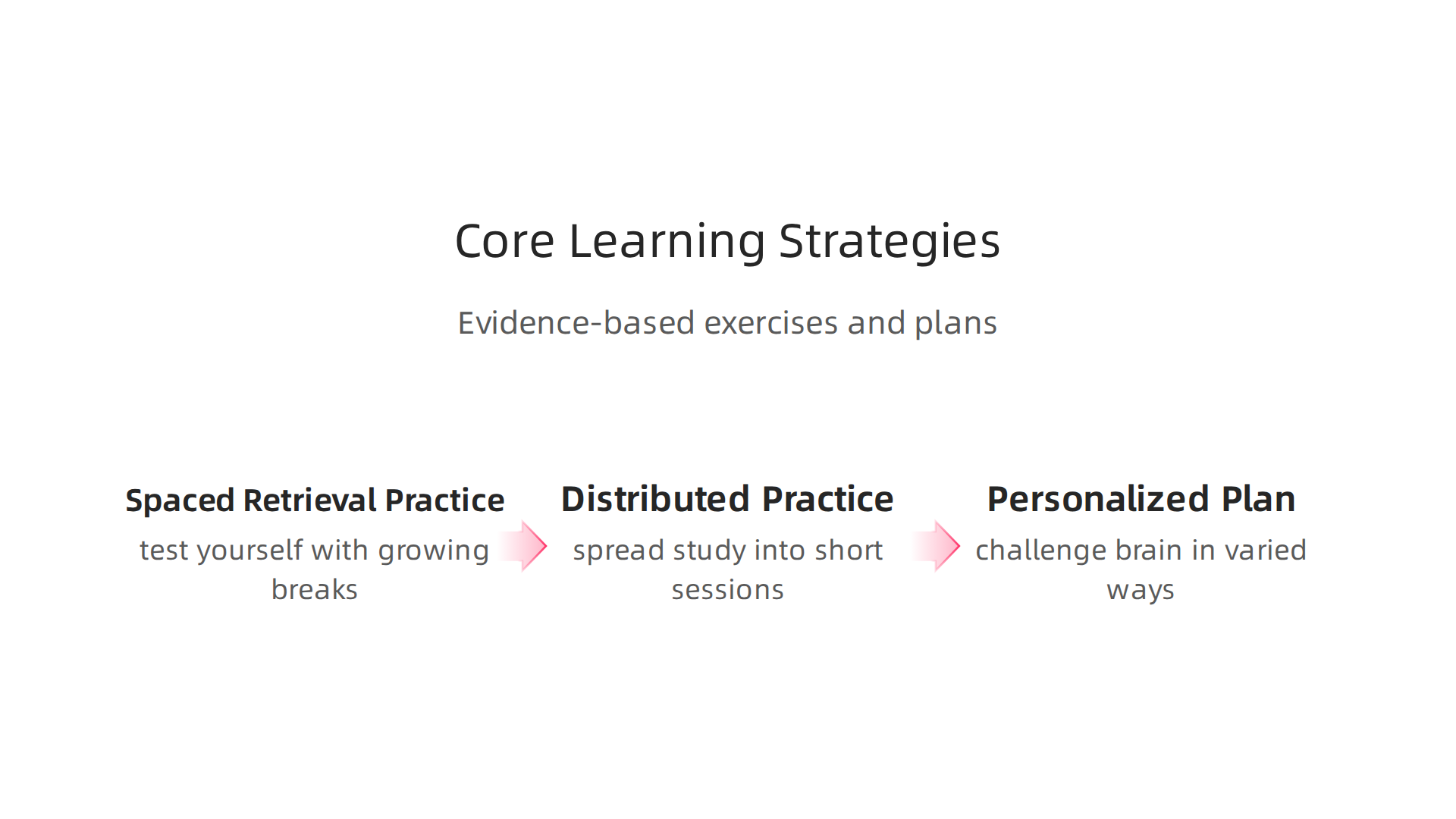
- Spaced Retrieval Practice: This simply means testing yourself on what you’ve learned over and over, but with growing breaks in between. For example, if you learn something new today, you test yourself tomorrow, then in three days, then a week later, and so on. This helps your brain hold onto information much better for a long time. Studies have shown that this method helps many people improve their learning, even those with memory issues Spaced Retrieval Effects on Learning Capacity. It is one of the most reliable facts about the brain when it comes to learning. You can see how apps use this by learning about Memory Task Integration How Clever Apps Use Spaced Repetition to Improve Memory.
- Distributed Practice: This is like spaced retrieval but broader. It means you spread out your study time over many shorter sessions instead of trying to cram everything into one long session. For instance, studying for 30 minutes every day for a week is much better than studying for 3.5 hours the night before a test. Research shows that spacing out your learning helps you remember things for much longer periods The Distributed Practice Effect on Classroom Learning. This smart approach is part of understanding the whole brain approach that rewires your memory and focus.
Making a smart brain training plan
To build a plan that truly boosts your brain and behavior, think about what you want to improve. Do you need to remember names better, learn new skills for work, or stay sharp as you get older?
- For Students and Professionals: Use spaced retrieval by making flashcards or practice quizzes. Review old topics regularly, not just new ones.
- For Older Adults: Engaging with brain games and cognitive training apps can also be helpful. Many apps are designed to improve memory and focus using these proven techniques. In fact, many mobile apps for cognitive training have shown promise for older adults, even those with mild memory problems, in 2026 Cognitive Training Mobile Apps for Older Adults With …. You can discover the Best Memory Apps 2026 Tested for Real Recall.
The goal is to challenge your brain in varied ways, making it work to retrieve information. This way, you are not doing "training right brain exercises" or relying on any idea of "right brain people vs left brain" thinking.

You are simply using what science knows about how the brain learns best.
When picking tools, especially digital ones, it’s good to know that platforms with strong architecture are key to effective learning experiences. Silicon Review highlighted how good design can help avoid the bad effects sometimes seen with other online tools.
Summary
This article explains why the popular