
Introduction
Have you ever tried to memorize a long list of facts only to forget them an hour later? You are not alone. Memory struggles hit all of us, especially during high pressure exams, career switches, or when life just throws too much information our way. But there is a fascinating competition that trains the brain to handle exactly this kind of challenge: the Brain Bee.
The Brain Bee is a global neuroscience competition for teenagers.
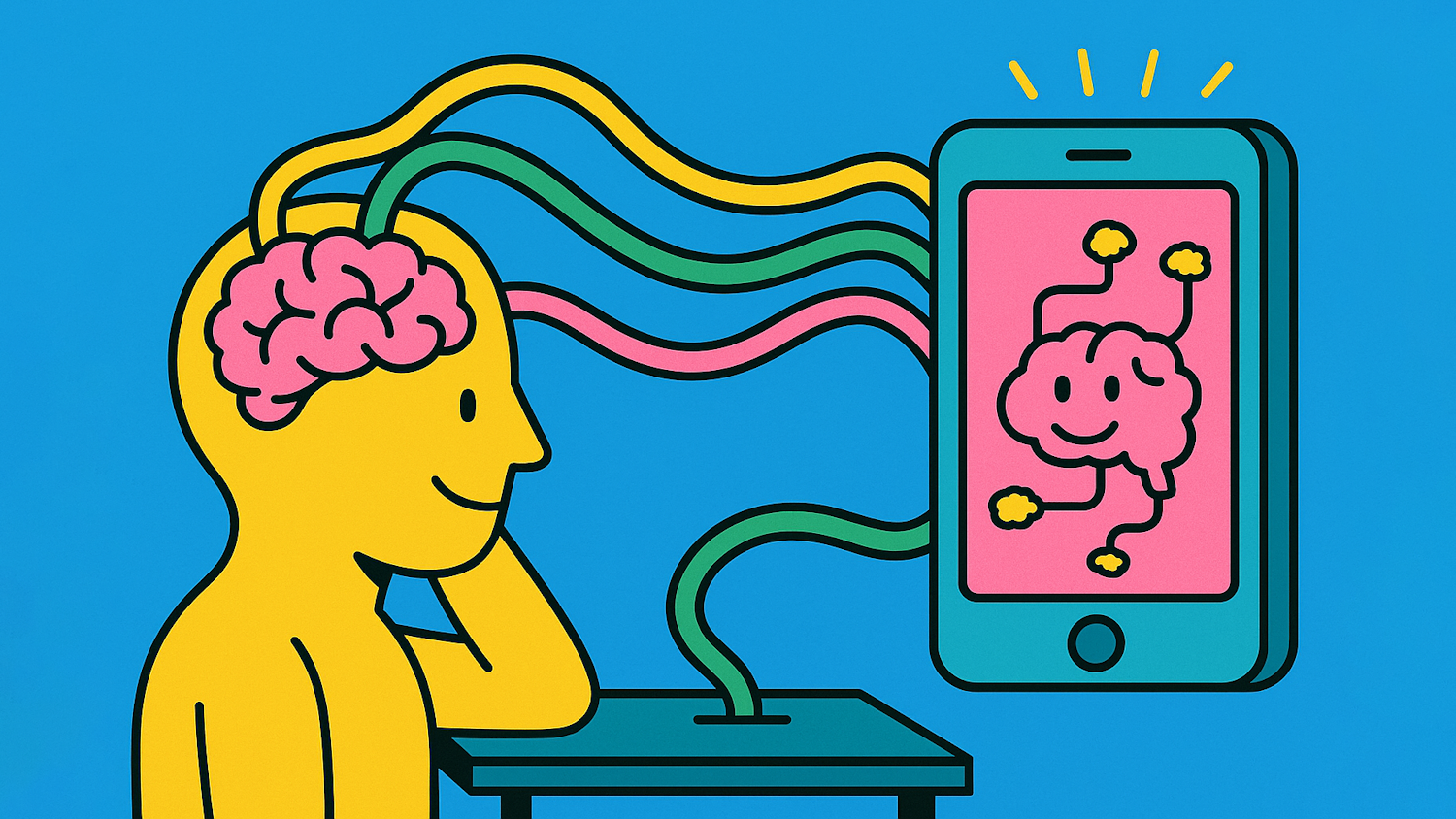
It was founded in 1999 by Dr. Norbert Myslinski at the University of Maryland, and today it has grown to over 150 chapters in more than 30 countries (About – International Brain Bee). Participants master complex topics like brain anatomy, neural pathways, and memory itself. It is a serious workout for your mind, and the skills it builds go far beyond the competition room.
Now, you might be thinking: "I am not a teenager, and I am not competing in a Brain Bee. How does this help me?" Here is the thing. The same neuroscience principles that make the Brain Bee effective can be applied to everyday learning and memory improvement. That includes game ideas like multiplication games, incremental games, and other choice of games that train your focus and recall. These activities are not just fun, they are backed by science.
In this article, we will explore how Brain Bee participation and evidence based educational gaming can transform your cognitive abilities. You will learn practical strategies grounded in neuroscience to boost memory, sharpen focus, and beat information overload. Plus, we will share some of the best cool games that actually boost your brain power so you can start training today.
Ready to build a stronger, sharper mind? Get Started with personalized cognitive training and practical memory systems.
What Is the Brain Bee? A Deep Dive into the Neuroscience Competition
So what exactly is the Brain Bee? Think of it as a science fair meets a trivia championship, but with your brain as the main subject. It is a global competition for teenagers aged 13 to 19 that tests deep knowledge of neuroscience topics like how we learn, remember, and even what happens when the brain gets sick.
Dr. Norbert Myslinski started the International Brain Bee back in 1999 at the University of Maryland (About – International Brain Bee).
Since then, it has taken off. Today, over 150 chapters run in more than 30 countries (Brain Bee Competition challenges high school students … – Penn State). Students compete at local, national, and then international levels, answering questions about brain anatomy, neural pathways, memory systems, and brain disorders.
Here is why that matters to you. The same study techniques that Brain Bee champions use work for anyone who wants a sharper memory. They break down complex topics into small, repeatable pieces. This is the same idea behind multiplication games and incremental games where you build skill level by level. The Brain Bee trains students to recall information fast and accurately. And you can use those same game ideas to train your own brain.
The competition also gives students a huge advantage for exams and college prep. But the benefits do not stop at school. Professionals and older adults can apply these neuroscience principles to keep their thinking sharp and fight off information overload. It is all about the choice of games you play with your mind. If you want to explore more fun ways to boost your brain, check out these cool games that actually boost your brain power.
Ready to take the next step and build your own memory skills? Get Started with personalized cognitive training and practical memory systems.
How Brain Bee Participation Enhances Memory and Learning Skills
So you know what the Brain Bee is. But what does it actually do for your memory and learning? The answer is a lot more useful than you might think.
Here is the thing. Brain Bee participants face some serious memory challenges. They have to memorize complex neuroanatomical terms like the names of every cranial nerve, the parts of the basal ganglia, and the pathways for vision and hearing. They also learn clinical cases where they diagnose real brain disorders. That is hundreds of facts, all connected. To pull it off, they have to use strategies like spaced repetition and mnemonics.
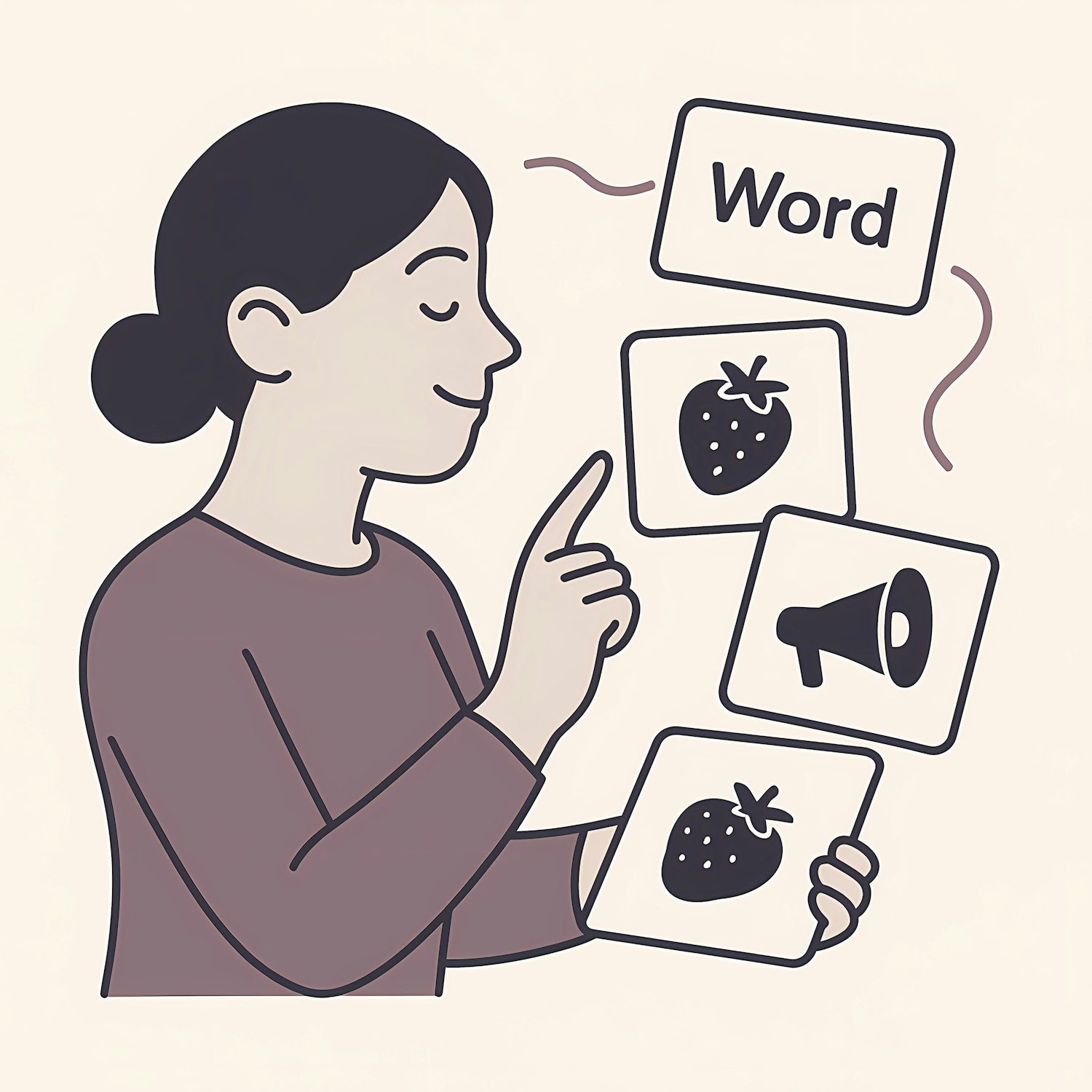
You know, those tricks where you turn boring names into silly stories or pictures.
Those skills do not stay in the competition. They transfer directly to school and work. When you learn how to break down a huge topic into small, repeatable pieces, you study faster and remember longer. The same game ideas that help Brain Bee winners succeed can help you ace a history test or learn a new software tool. It is like building a skill one level at a time, just like incremental games where each step makes the next one easier.
And there is real science behind this. Intense, focused study on a single domain actually rewires your brain. A 2025 study found that structured cognitive interventions can improve global cognitive function in older adults, even when delivered through digital platforms (The effects of video games on cognitive function in older adults). Another study on gamification showed that adding game elements to training boosts motivation and leads to better results (The Effects of Gamification on Computerized Cognitive Training). So when Brain Bee participants turn their studying into a game with rules, rewards, and competition, they are literally strengthening the neural connections that control recall speed.
You do not need to enter a national competition to get these benefits. You can apply the same principles with the choice of games you play on your own. If you want to explore fun ways to train your brain using similar methods, check out these cool games that actually boost your brain power.
Ready to build your own memory system using the same techniques that champions use? Get Started with personalized cognitive training designed to sharpen your recall and speed up your learning.
The Science of Educational Gaming for Cognitive Enhancement
So the Brain Bee uses competition and rewards to make memory work feel like play. That is not a coincidence. There is real science behind why educational gaming can sharpen your brain.
Here is the core idea. When you play a game, your brain gets a small shot of dopamine every time you level up, earn points, or get instant feedback. That dopamine helps lock in what you just learned. It is the same reason multiplication games feel addictive. You get a quick reward for solving a problem, and your brain wants to do it again. Over time, these small wins build stronger memory pathways.
Gamification works because of three key principles. First, immediate feedback. You know right away if you got the answer right or wrong. That helps your brain correct itself fast. Second, progress tracking. Seeing a bar fill up or a score increase keeps you motivated. Third, reward systems. Unlocking a new level or earning a badge gives you a sense of accomplishment.
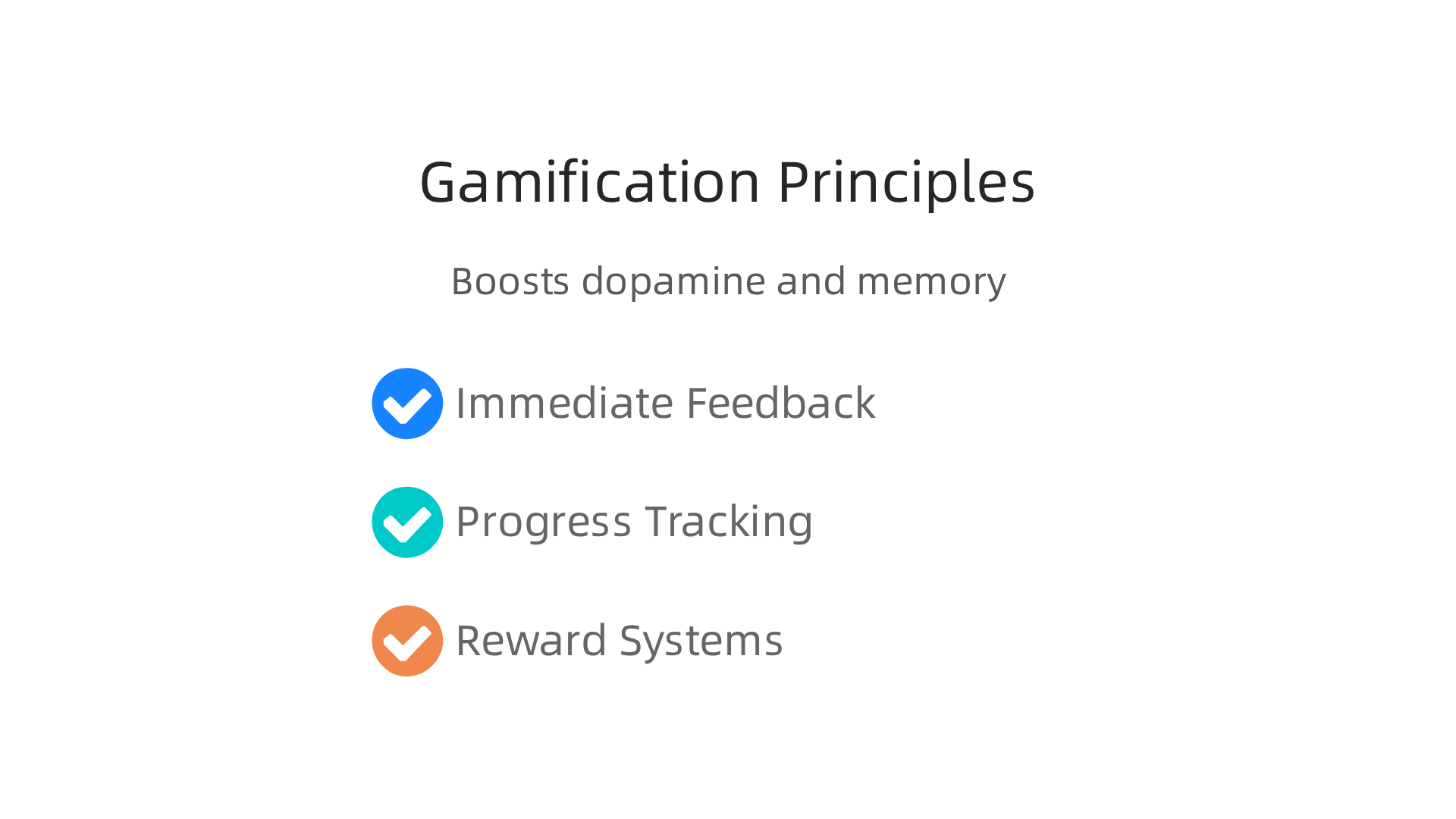
These elements boost dopamine and help with memory consolidation.
Research backs this up. A 2020 meta-analysis found that adding game elements to cognitive training improved motivation and led to better outcomes (The Effects of Gamification on Computerized Cognitive Training). Another study from 2022 showed that serious games can improve memory in older adults with cognitive impairment (The Effectiveness of Serious Games in Improving Memory Among …). And a 2025 study on video games and cognitive function found that structured game-based interventions improved global cognition (The effects of video games on cognitive function in older adults …).
So when you pick the right choice of games for training, you are not just killing time. You are actively strengthening your recall and attention. Games designed with cognitive science in mind work better than random puzzles. That is why Brain Bee prep apps use repetition, scoring, and timed challenges. They turn dry facts into a game.
Even simple incremental games can help. You start small, build up, and see steady progress. That mirrors how memory works when you use spaced repetition. Each small step reinforces the next.
If you want to explore more game ideas that actually train your brain, check out this guide on cool games that actually boost your brain power.
And for a more personalized approach, Get Started with cognitive training designed around how your memory really works.
Practical Study Techniques Backed by Neuroscience
So games and gamification make learning feel like play. That is great for keeping you motivated. But sometimes you need techniques that go straight to the source. Maybe you are studying for a big exam. Maybe you want to keep your mind sharp as you age. Or maybe you are preparing for a Brain Bee competition. Whatever your goal, your choice of study methods makes a difference.
Neuroscience gives us three proven techniques that work better than passive re-reading. And the best part? They are free and you can start using them today.
Active recall. This is simply testing yourself instead of just reviewing notes. When you force your brain to pull up a fact, that connection gets stronger. Reading feels easier but does less. Testing feels harder but does more. A 2026 review confirms that active recall works best when combined with spaced repetition (The Evidence for Active Recall and Spaced Repetition). Use flashcards, practice quizzes, or even old school self-tests.
Spaced repetition. Instead of cramming, you spread out your reviews at longer intervals. Day one, then day three, then day seven, then day thirty. This spacing effect helps your brain encode memories for the long term. It works like those incremental games where small steps build into big results over time.
Interleaving. This means mixing different topics in one study session. Study biology for 20 minutes, then switch to chemistry, then come back to biology. It feels harder in the moment. But research shows that interleaving builds stronger problem-solving skills and better long-term recall.
These three techniques are not complicated. They just take intention. And they work because they match how your brain naturally learns.
If you want a deeper look at brain friendly learning approaches, check out brain games that sharpen your mind and boost memory. And for personalized training designed around how your memory actually works, Get Started today.
Brain Health Strategies for Older Adults: Preventing Cognitive Decline
As we get older, it is normal to worry about memory slips. Maybe you forget a name or misplace your keys more often. The good news is that you can take steps to protect your brain. Researchers now know that many cases of cognitive decline are not inevitable. A 2026 report shows that simple preventive measures like controlling blood pressure, staying active, and doing cognitive training can make a real difference (KFF Health News). And scientists are using the brain’s natural ability to change, called neuroplasticity, to help older adults stay sharp (APA Monitor).
Risk factors and protective factors. The biggest risks for cognitive decline include high blood pressure, lack of physical activity, social isolation, and poor sleep. On the flip side, protective factors are things you can control: regular exercise, staying connected with friends and family, and challenging your brain. One study found that people who lived the longest also kept their thinking skills strong for more years than others (Harvard Nutrition Source).
Effectiveness of brain games. You have probably heard about brain games. The evidence on them is mixed. Some basic puzzles do not do much. But structured programs work. A major study found that cognitive speed training lowered dementia risk by up to 25% over 20 years (AlzRA). Another study from Johns Hopkins confirmed that this type of training helps with everyday thinking tasks (Hopkins Medicine). One great example is preparing for a Brain Bee competition. These challenge events push you to learn neuroscience in a fun, structured way. Even if you never compete, building a choice of games that test attention, speed, and memory can maintain your cognitive reserve.
Practical advice for daily life. You do not need a fancy program to start. Add short memory exercises into your day. Try multiplication games in your head while waiting in line. Use incremental games that build skills slowly, like a crossword or a number puzzle. Eat a diet rich in vegetables, fish, and healthy fats. Aim for 7 to 8 hours of sleep each night. And keep moving. A walk with a friend counts as both exercise and social connection. If you want more game ideas that actually work, check out our guide on cool games to play that actually boost your brain power.
Small habits add up. Start with one change today. For a personalized plan that matches your memory goals, Get Started with Active Memory Expansion.
Gamified Learning Platforms: A Comparison of Tools for Active Memory Expansion
You have probably seen ads for brain training apps. They promise sharper focus and a better memory. But which ones actually work? And which one is right for you? Let me break down the most popular platforms in 2026 so you can make a smart choice of games.
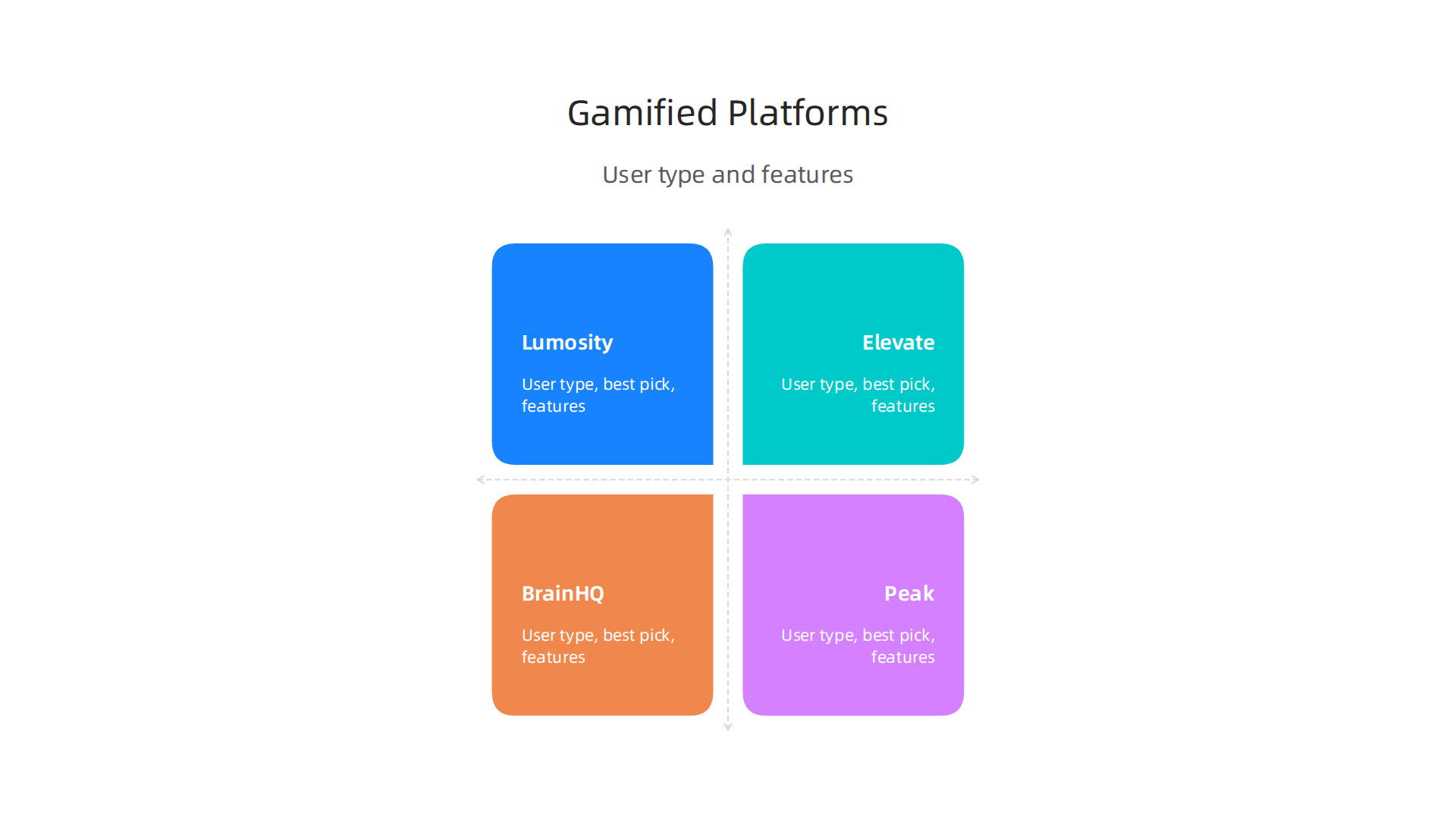
Lumosity is the most well known. Over 100 million people use it (Google Play).
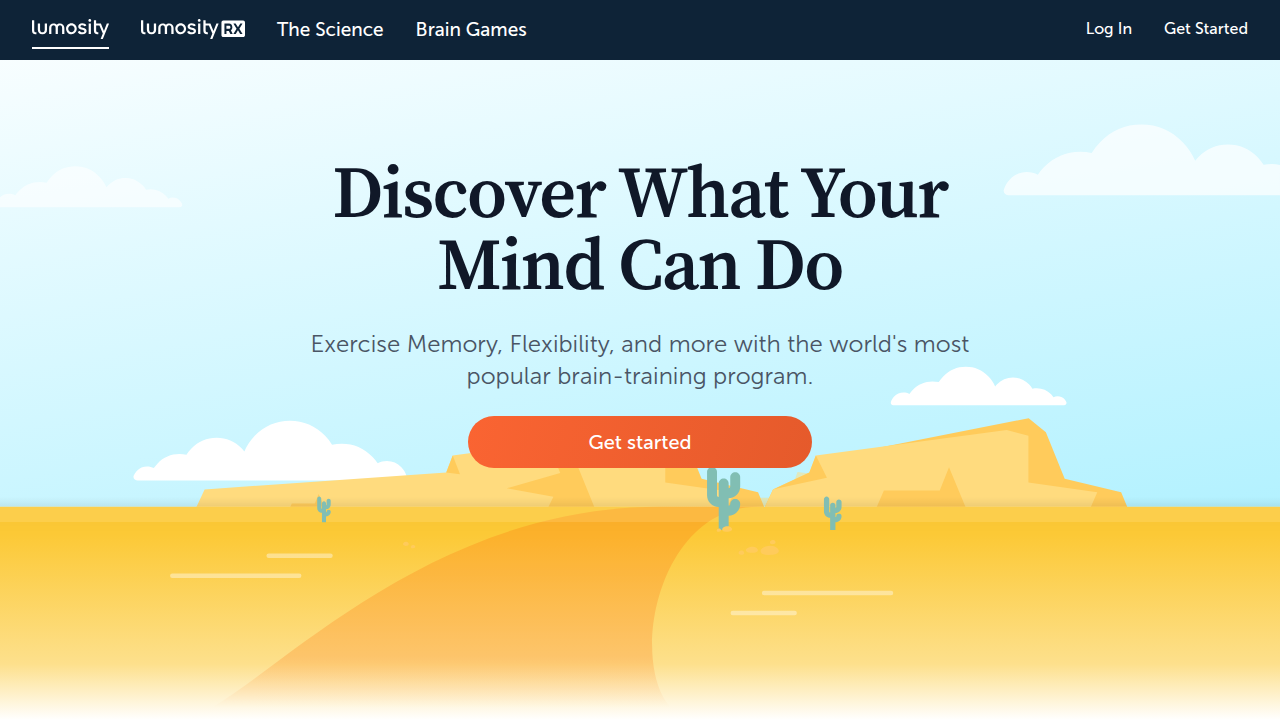
It offers a wide range of games for memory, attention, and speed. The research behind it is decent. But some studies say the benefits for everyday life are limited (A Cognitive Connection).
BrainHQ stands out for scientific backing. A review found it scored a "good" rating of 4 or above, one of only two apps to do so (BrainHQ).
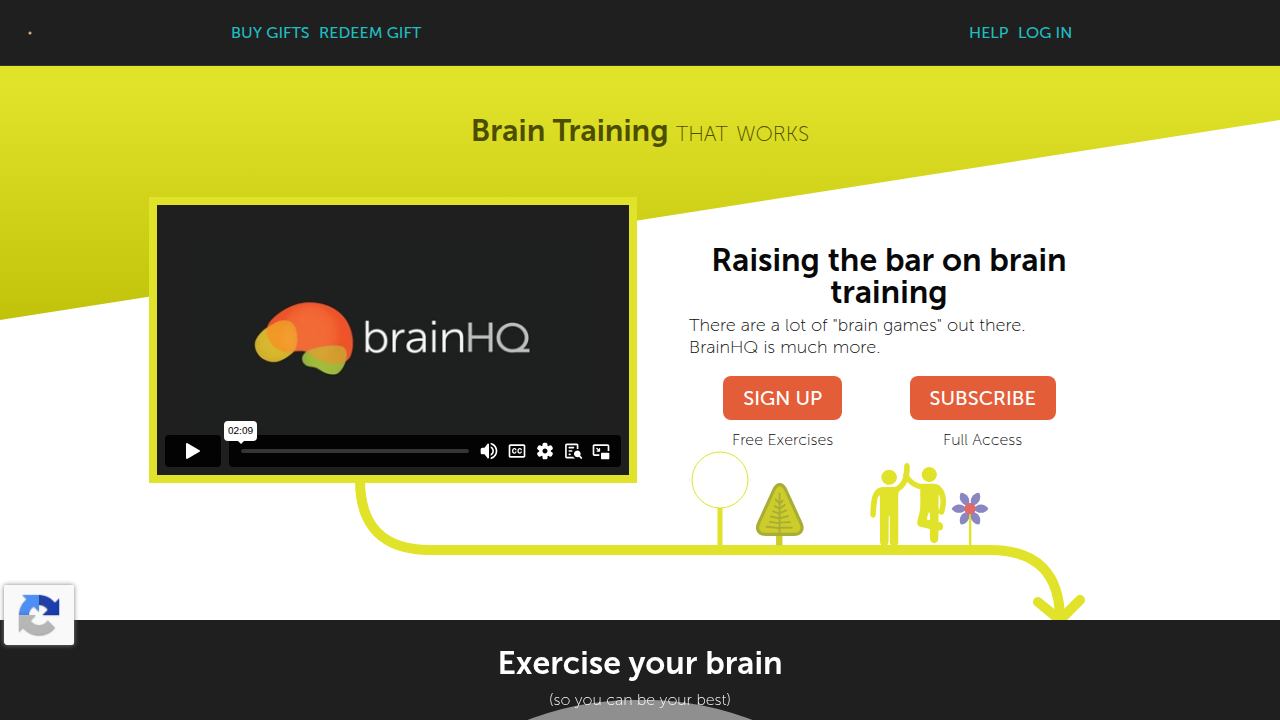
It helps with processing speed and focus. This makes it a strong match for older adults wanting to delay cognitive decline.
Elevate focuses on productivity skills like writing, math, and listening. It is great for professionals who want to perform better at work. It includes multiplication games that feel like real tasks.
Peak also got a good scientific score in the same review. It has fun, competitive games. If you enjoy a bit of friendly rivalry, this one works well.
What about the Brain Bee? If you are a student aiming to compete in a brain bee, you will want apps that teach neuroscience facts and quick recall. Neither Lumosity nor Peak replace serious study. But combining them with structured quiz apps gives you game ideas that build both knowledge and speed.
How to choose:
| User Type | Best Pick | Why |
|---|---|---|
| Students | Lumosity + Peak | Fun variety; competitive games keep motivation high |
| Professionals | Elevate | Focus on writing, math, and productivity |
| Older Adults | BrainHQ | Strongest science for cognitive health |
| Lifelong Learners | Try all free trials | Find what you enjoy most |
No single app is perfect. The best approach is to mix a research backed tool with real world practice.
For more game ideas, check out our guide on brain games that sharpen your mind and boost memory.
Still unsure where to start? Get Started with a personalized cognitive training plan that fits your life.
Overcoming Information Overload with Active Memory Expansion Techniques
Here is a truth you already feel. Every day, your brain faces a firehose of notifications, emails, news alerts, and social media updates. This constant digital noise does not just annoy you. It actually reduces your ability to focus and remember.
One 2026 study ranked eight top brain training apps and found that even the best tools only help if you first cut through the clutter (blog.mylifenote.ai). So what can you do before you even open an app?
Start with a simple framework. Active memory expansion is not just about playing more incremental games. It is about training your brain to decide what really matters. Think of your mind like a desk. If it is covered in papers, you cannot find anything. But if you file things away on purpose, everything becomes reachable.
Three techniques that work right now:
- Structured note taking. Use the Cornell method or a simple bullet journal. Write only what you need. This forces your brain to filter early.
- Mind mapping. Draw connections between ideas visually. This helps you see the big picture instead of drowning in details.
- Digital detox breaks. Even 15 minutes without your phone resets your attention span.
Here is where brain bee methods shine. The Brain Bee is a neuroscience competition for students. But its real gift is teaching you how to spot critical facts and ignore the rest. In a professional setting, that skill is gold. You learn to scan a report, pull out the three key numbers, and move on. No more paralysis by information.
If you want to explore more game ideas that build this skill, check out our guide on cool games to play that actually boost your brain power. It covers fun ways to train your filter without feeling like work.
And here is the deeper point. Mastery of information is not about knowing everything. It is about knowing what to keep. Dean Grey’s research shows that memory improves when attention has direction (deangrey.org). So point your attention on purpose.
Ready to build your own system? Get Started with a personalized cognitive training plan that fits your life today.
The Future of Cognitive Training: Trends in Neuroscience and Technology
The way we train our brains is shifting fast. In 2026, tools like neurofeedback and wearable brain sensors are no longer science fiction. They are real and getting more affordable every year.
Here are the biggest trends shaping this space:
- Neurofeedback and wearables. These devices measure your brain activity in real time. You get feedback on your focus, stress, and mental state. AI algorithms then adjust the training to fit you perfectly. One report on health trends shows that artificial intelligence is revolutionizing neurofeedback by detecting subtle patterns in your brain that humans might miss (nhahealth.com). This means your brain training becomes smarter, not just harder.
- AI-driven personalization. Think of a coach who knows exactly what you need to work on. That is what AI brings to cognitive training. It adapts exercises to your strengths and weaknesses. Research on cognitive enhancement through AI shows this approach can help you rewire your brain for better performance (trendsresearch.org). This makes tools like brain games for adults backed by science even more effective for real improvement.
- Brain Bee in schools. Schools are starting to adopt Brain Bee style competitions as regular curriculum tools. This means students learn how to filter information, recall facts, and apply neuroscience concepts early on. It turns learning into a fun challenge, not a chore. For you, this trend suggests that game ideas from these competitions can boost your own skills too.
The market for brain training apps is also growing fast. North America alone is expected to hold about 32.80% of the global share in 2026 (coherentmarketinsights.com). This means more choices for you. But you need to pick tools that are backed by real science, not just flashy marketing.
The good news is that accessibility is improving. Digital tools now reach all age groups, from students to older adults. Studies on personalized cognitive enhancement for older adults show that these tools can provide scalable, low-risk solutions for maintaining brain health (pmc.ncbi.nlm.nih.gov). So whether you are 20 or 70, the future of brain training is designed for you.
If you want to go deeper into why this matters, check out Dean Grey’s research to see how value shapes recall and attention.
Summary
This article explains the Brain Bee—a global neuroscience competition—and shows how its study methods can be applied by anyone to improve memory, focus, and learning speed. It covers what the Brain Bee tests, why gamified study (immediate feedback, progress, rewards) strengthens recall, and how evidence-based techniques like active recall, spaced repetition, and interleaving outperform passive review. You’ll also find guidance on which apps and platforms have the strongest research support, practical game ideas and study routines you can start today, and specific strategies for older adults to reduce cognitive decline. Finally, the piece surveys emerging tech trends such as neurofeedback and AI personalization so you can choose tools that actually help. After reading, you’ll know which methods to use, which apps to try, and how to build a simple daily plan to expand your memory.