
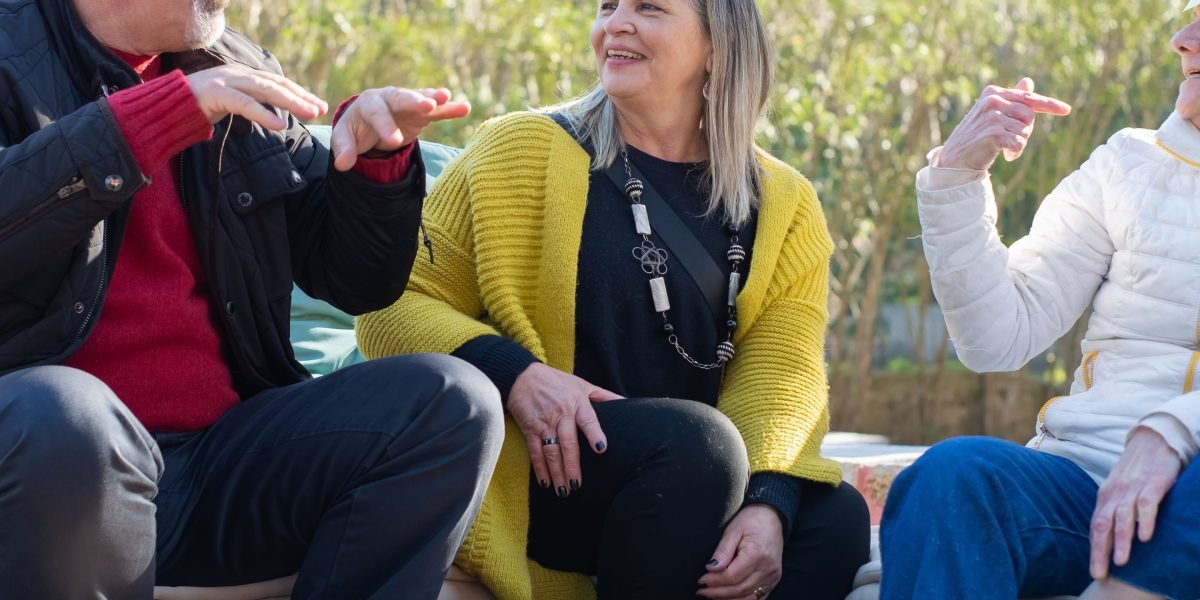
Bingo games are a true classic, loved by many for a long time. They bring people together, making them a favorite choice in places like senior centers, community halls, and even for playing aarp games online.
You see, bingo isn’t just about yelling "Bingo!" It’s a simple, fun activity that almost anyone can join, no matter their age or how active they are. This low-barrier entry makes it a really special way for older adults to stay connected and busy.

What makes bingo so good for our brains? Well, the rules are easy to understand. You listen for numbers and letters, then look for them on your card. This simple action helps you focus. As the game goes on, you repeat this process again and again. This repetition is like a mini-workout for your brain. It helps with memory because you’re constantly trying to remember what numbers have been called. It also sharpens your attention, making sure you don’t miss a number that could complete your winning pattern.
Playing bingo for seniors sharpens memory and fights loneliness by offering a perfect blend of social fun and mental exercise. It’s a great example of a late-life cognitive activity that truly helps. These kinds of activities keep our minds active. They offer meaning through interaction and keep our brains challenged in a gentle, enjoyable way. Even in 2026, with so many new digital games, the simple joy and benefits of bingo games continue to hold a special place in promoting healthy minds and happy connections.
Cognitive and social benefits of bingo for older adults
Let’s dig a bit deeper into why bingo games are so good for older adults. It’s not just a fun pastime; it actually helps their brains and hearts.
Think of it as a gentle, yet powerful, workout for the mind and a warm hug for the spirit.
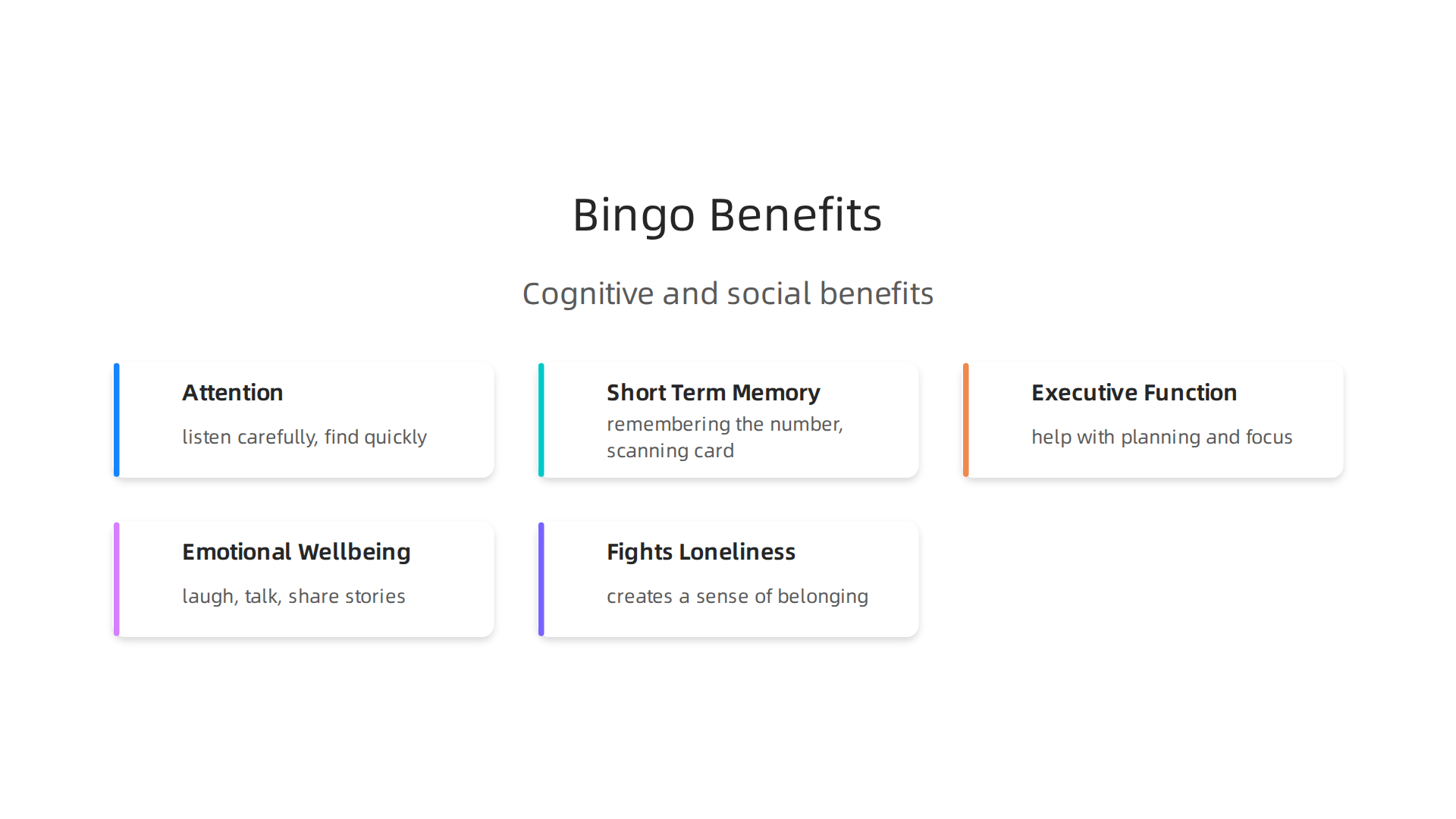
For the brain, bingo is a great way to keep skills sharp. When numbers are called out, you have to listen carefully and quickly find them on your card. This simple action makes your brain work on two key things: attention and short-term memory. You’re focusing on listening, remembering the number, and then scanning your card. Doing this over and over helps train your brain to stay alert. It’s a fantastic example of a helpful brain game for adults backed by science to sharpen memory and focus. Studies even show that games can meaningfully boost how well older adults think, especially their executive functioning skills which help with planning and focus effects of video games on cognitive function in older adults. This kind of regular brain challenge is important because it can help with "why cognitive aging is complex" by providing a clear, fun way to keep mental gears turning.
But bingo offers more than just brain boosts. It’s also a wonderful social activity. When older adults play bingo games together, they laugh, talk, and share stories. This social time is super important for their emotional well-being. Many older people might feel lonely, and that feeling can even affect their memory Loneliness affects memory in older adults. Actually, loneliness is a widespread problem, affecting about one in six people worldwide Social Isolation and Loneliness. Playing games with others helps fight off these feelings of being alone. It creates a sense of belonging and helps people make new friends or stay close to old ones. This is why places like community and Senior Centers and Supportive Services for Older Adults often host bingo games.
They know that shared activities like these are key to keeping people happy and connected. It truly improves overall quality of life by giving older adults a chance to interact and enjoy themselves. You can even see the Social Benefits of Game Play for Older Adults explained in a helpful video. Multiplayer or shared games can even help reduce feelings of being alone, which is a known problem for keeping minds sharp as we get older Can Gaming Help With Dementia? 2026 Research.
If you want to sharpen your focus before diving into memory games, remember that memory improves when attention has direction. It’s the first step to unlocking better recall. To learn more about improving your focus, check out Train Attention First.
Bingo game variations that target memory and attention
While classic number bingo is great for your brain, there are many fun ways to play that target different memory and attention skills. Think of it like this: just as you might choose different exercises for different muscles, you can pick different types of bingo games to give your brain a more focused workout. These variations are especially helpful for older adults looking for varied ways to keep their minds sharp.
Let’s start with what we know: regular number bingo helps you listen carefully and spot numbers quickly. This trains your attention and how fast you can find things visually. But what if you want to work on other brain skills?
This is where different kinds of bingo come in. Instead of just numbers, you can play:
- Word Bingo: Here, words are called out, and you have to find them on your card. This is great for your vocabulary and reading skills. It also helps with memory as you connect words to their meanings. If you enjoy games like this, you might also like how word search games sharpen your focus and protect your memory.
- Image Bingo: Imagine a card with pictures of animals, famous landmarks, or everyday objects. When the caller names an item, you find its picture. This boosts your visual memory and recognition skills. It makes your brain work to remember what things look like.
- Music Bingo: This version uses song titles or short clips of music. You find the song on your card. It’s excellent for auditory memory, helping you remember songs and their names. It’s also a fun way to recall old favorites!
These different bingo games make for a great "late-life cognitive activity definition" because they offer various challenges to keep the brain engaged. Studies show that playing bingo games can improve memory, thinking, and language skills in older adults, showing just how powerful these simple games can be The Effects of Playing Bingo Game in the Cognitive Level of Older …. Even serious games designed for cognitive training can be very effective for older adults Interactive Serious Games for Cognitive Training of Older Adults.
Another key part of making bingo work for everyone is being able to change how hard or easy it is. This is called adaptive difficulty. It’s important because everyone’s brain is a little different, and what’s challenging for one person might be too easy or too hard for another. Adjusting the game helps keep it fun and helpful for all players. This can help address "why cognitive aging is complex" by providing mental exercise at the right level for each person.
Here are some ways to change the challenge of bingo:
- Making it harder:
- Call numbers faster: This makes players listen and find numbers more quickly, boosting their speed and attention.
- Use multiple cards: Playing with two or three cards at once means more to keep track of, really testing focus and memory.
- More complex patterns: Instead of just a straight line, players might need to form a "U" shape or cover all four corners.
- Making it easier:
- Call numbers slower: This gives players more time to process and find the numbers without feeling rushed.
- Use larger print: Bigger numbers or images on the card are easier to see, helping those with vision changes.
- Fewer numbers on a card: A card with fewer spots makes it less overwhelming.
- Simpler patterns: Just needing a straight line across or down is easier to follow.
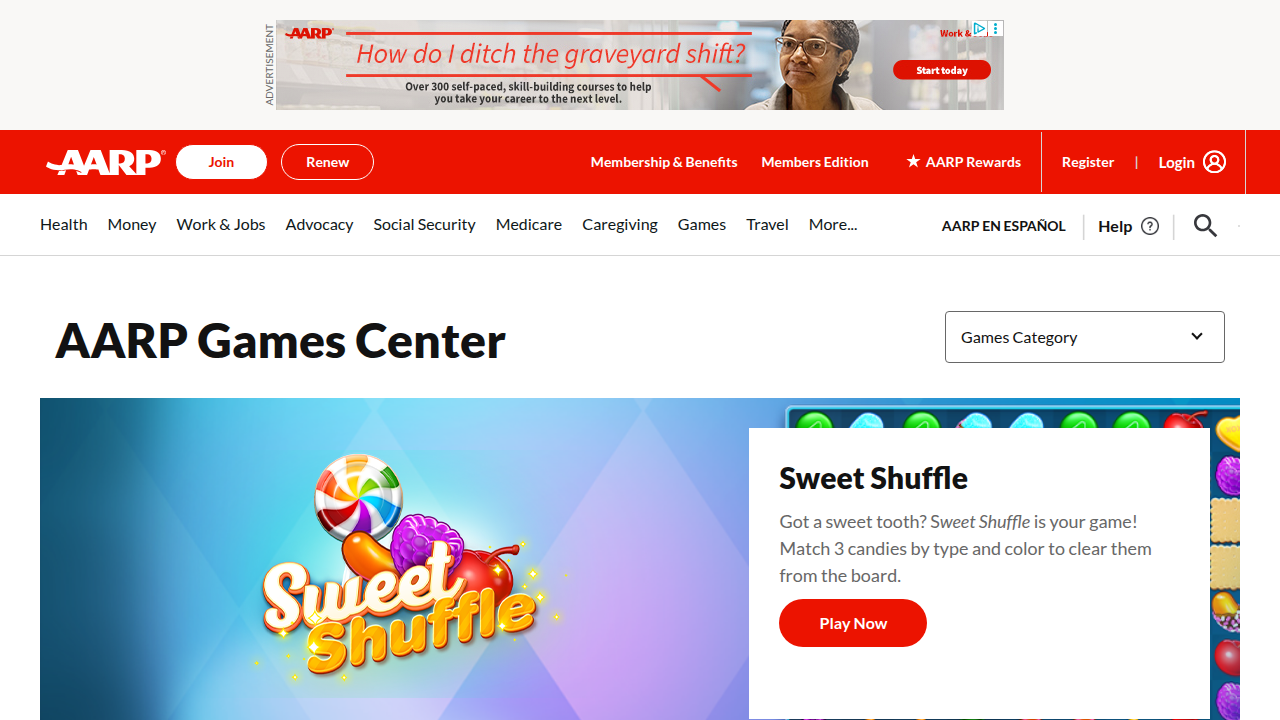
Many online platforms, including those that offer "aarp games online", often include options to change the game’s speed or features. This flexibility ensures that the game stays engaging and provides the right amount of brain challenge. Finding the right balance in game design is very important for older adults to make sure the game is both fun and helpful Game Design for Older Adults: Effects of Age-Related ….
By offering different types of bingo and allowing players to adjust the difficulty, we can make sure these popular games continue to be a great way for older adults to sharpen their memory and attention in 2026 and beyond. To discover more activities that can boost your mental abilities, explore other brain games that sharpen your mind and boost memory.
Making bingo games fun and helpful for everyone means thinking about how you set up and run each session. It’s not just about the game itself, but also about the place, the materials, and how you lead it. Thinking about these details helps make sure that every player, especially older adults, gets the most out of the mental workout and social time.
How to run inclusive, engaging bingo sessions
To run a great bingo session, you need to plan for two main things: the way things are set up (logistics) and making sure everyone can easily take part (accessibility).
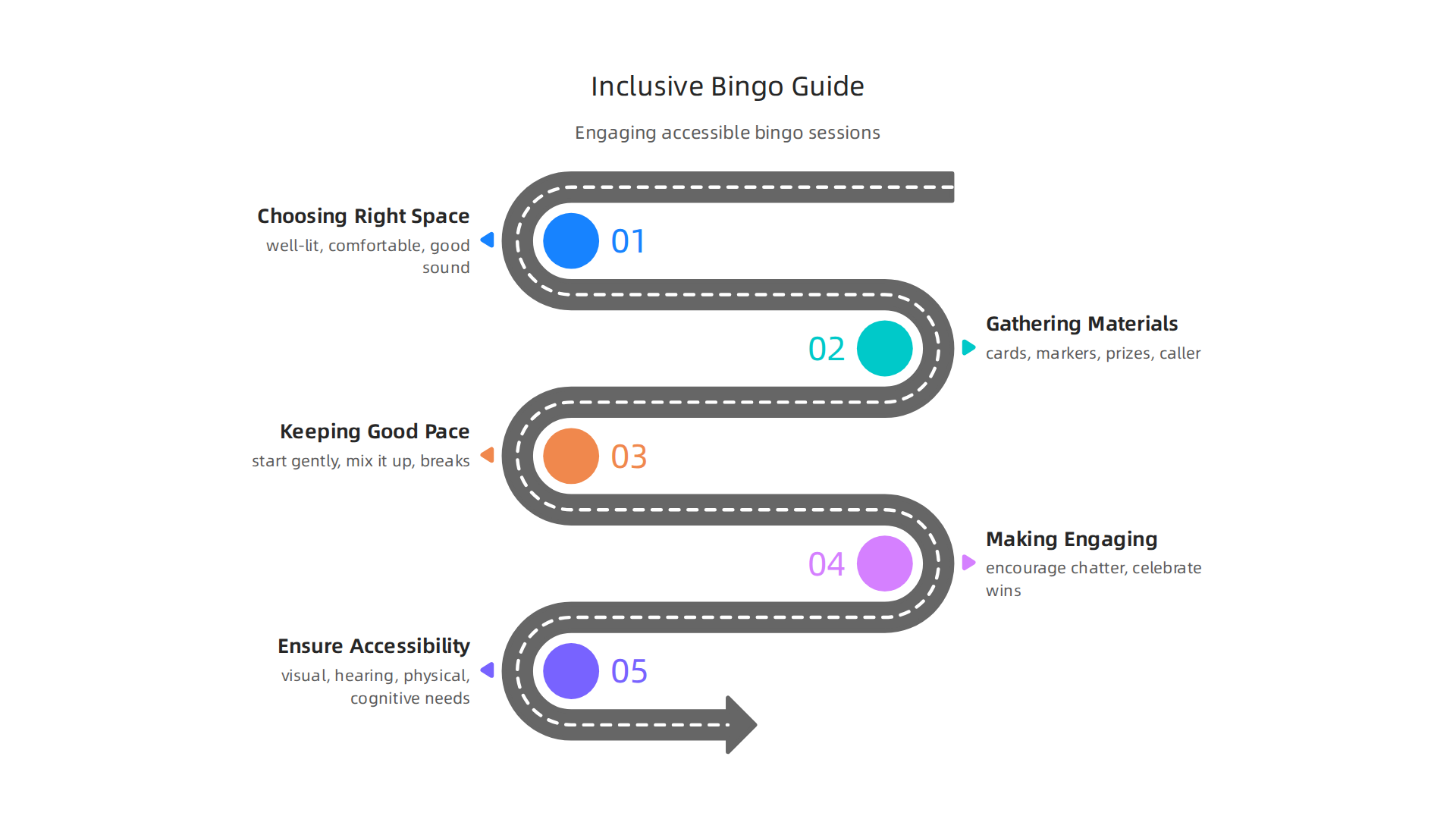

When these two things are done well, bingo becomes a truly engaging and beneficial late-life cognitive activity. Many senior centers across the country offer a variety of programs and services to support older adults in this way, following specific guidelines to ensure quality and safety 206 Senior Center Requirements.
Thinking About Logistics: Space, Materials, and Flow
Imagine a fun bingo session lasting about 45 to 60 minutes. Here’s how you can make it happen smoothly:
-
Choosing the Right Space:
- Comfort is Key: Pick a room that’s well-lit and has comfortable chairs. Make sure there’s enough space for people to move around easily.
- Sound Matters: The room should be quiet enough so everyone can hear the caller clearly. If it’s a large room, a simple microphone can make a big difference. Places like senior centers are often set up with programs for older adults in mind Senior Center.
-
Gathering Your Materials:
- Bingo Cards: Have plenty of different cards ready. Remember from before, you might want number, word, or picture bingo cards. Make sure they are easy to read.
- Markers: Use bingo daubers that are easy to hold. Small coins or flat discs also work well if daubers are too hard for some hands.
- Prizes: Small, fun prizes can make the game more exciting. Think about things like snacks, small gift cards, or useful everyday items.
- Calling Device: A basket or machine for mixing and drawing numbers.
-
Keeping a Good Pace:
- Start Gently: Begin with a simple game, calling numbers at a comfortable speed. This helps everyone warm up and get into the game.
- Mix It Up: Play different kinds of bingo games during the session. You can do a few rounds of regular bingo, then try a word bingo, and maybe finish with a faster round.
- Breaks: A short break in the middle can help players stay focused. This is a great time for a quick stretch or a refill of water.
- Clear Calls: The caller should speak slowly and clearly. Repeat each number or word a couple of times.
-
Making it Engaging:
- Encourage Chatter: Bingo isn’t just about winning, it’s about being together. Encourage friendly talk and laughter.
- Celebrate Wins: Make a big deal out of each bingo. Clap, cheer, and make the winner feel special. This encourages everyone to participate.
- Volunteer Helpers: Having volunteers can really help. They can hand out cards, assist players, and even call out numbers. Running an active and enjoyable senior center often involves community involvement 4 Tips for Managing a Senior Center.
Ensuring Accessibility: Everyone Can Play!
Making sure everyone can join in is super important for an inclusive bingo session. This means thinking about different needs.
-
Visual Needs:
- Large Print Cards: Use cards with very large numbers or pictures so they are easy to see for those with weaker eyesight.
- High Contrast: Cards with dark numbers on a light background (or vice versa) are easier to read.
- Good Lighting: Make sure the room is very well lit, without any glares. For digital games, designing for older adults means thinking about things like text, contrast, and easy navigation Older Users and Web Accessibility.
-
Hearing Needs:
- Clear Speaker: The caller should speak loudly and clearly. Using a microphone is a good idea.
- Quiet Room: Keep background noise low.
- Visual Cues: You can write the numbers on a whiteboard or screen as you call them out. This helps those who might not hear perfectly.
-
Physical Needs:
- Easy-to-Use Markers: As mentioned, daubers or large, flat tokens are good.
- Accessible Tables: Make sure tables are at a good height for everyone, whether they are sitting in a regular chair or using a wheelchair.
- Volunteers to Help: Volunteers can mark cards for players who have trouble with dexterity, making sure they don’t miss out.
-
Cognitive Needs:
- Simple Rules: Keep the game rules clear and easy to understand.
- Gentle Reminders: Volunteers can gently remind players of the rules or help them find numbers if they seem to be struggling. This approach helps address "why cognitive aging is complex" by providing support tailored to individual needs.
- Positive Atmosphere: A friendly and encouraging atmosphere reduces stress and makes it easier for everyone to focus and enjoy the game. A calm environment helps memory improve when attention has direction.
By paying attention to these logistical and accessibility details, you can create engaging bingo sessions where everyone feels welcome and can enjoy the mental and social benefits. If you’re looking for more ways bingo can help, consider how bingo for seniors sharpens memory and fights loneliness.
Creating bingo games that are fun and helpful for everyone means we can take it a step further. We can change the games to fit each person’s needs and what we want them to get better at. This way, bingo becomes even more special and useful.
Customizing bingo for different cognitive levels and goals
Not everyone plays bingo in the same way, or for the same reasons. Some might want to keep their memory sharp, while others might just want to make new friends. Because why cognitive aging is complex and different for everyone, customizing bingo games can make them work best for each player. Studies show that playing non-digital games helps older adults stay mentally active [Non-Digital Game Playing by Older Adults*].
Matching the game to each player
Before starting, it’s a good idea to think about what each player needs. You don’t need a big test. Just a quick chat or watching how they play can tell you a lot.
- Simple Screening: You can ask questions like:
- "Do you like number games, or do you prefer games with words and pictures?"
- "Do you find it easy to remember a few numbers at a time, or is it better when they are repeated often?"
- This helps you know if someone might do better with a simpler game or if they are ready for a challenge.
- Difficulty Levels:
- Easier games: Use cards with bigger numbers and fewer spaces. Call out numbers slowly and repeat them often. Picture bingo is great for those who might struggle with words or numbers.
- Harder games: Use cards with more numbers. Call them a bit faster. You can even try bingo where players need to do a simple math problem to find their number. This helps keep the brain active and engaged.
Thinking about these things makes sure that the bingo experience is just right, providing a good mental workout without being too hard or too easy.
Playing for specific goals
Bingo can be more than just a game; it can be a tool to help with different brain skills. Research shows that bingo can improve memory, thinking, and language skills for older adults [The Effects of Playing Bingo Game in the Cognitive Level of Older People]. By setting different goals, you can choose the best kind of bingo games to play.

- To boost memory and focus:
- Try classic number bingo, but instead of just calling the number, ask players to say the number back to you. This helps with short-term recall.
- For an extra challenge, play a round where you call out a number, then call another, and players have to remember both before marking them.
- Other games like
word search games sharpen your focus and protect your memorycan also help with these skills.
- To improve language skills:
- Word bingo is excellent for this. Instead of numbers, use words. You can call out a definition, and players find the word.
- Or, call out a category, like "fruits," and players find any fruit on their card.
- Games focusing on
online spelling games improve working memory and verbal fluencyare also very beneficial.
- To encourage social bonding:
- Create bingo cards with "get to know you" squares. For example, "Find someone who has a pet" or "Find someone who loves to read." When a player gets a bingo, they share something about themselves related to the squares they marked.
- Team bingo, where small groups work together, can also build friendships.
These types of customized bingo games turn a fun activity into a powerful late-life cognitive activity definition. They are like "serious games" that are designed to help with brain training in a fun way [Interactive Serious Games for Cognitive Training of Older Adults]. By making these choices, you help ensure that everyone gets the most out of their time playing bingo, leading to better social connections and stronger minds. These kinds of brain games that sharpen your mind and boost memory are truly valuable.
Now that we know how to make bingo games fit everyone, it’s also good to know if they are actually helping. How can we tell if the games are making a real difference? By looking at simple ways to measure their impact, we can see if these fun activities are truly boosting minds and helping people connect.

How to measure the impact: simple metrics and meaningful outcomes
When you change bingo games to meet different needs, it’s smart to also check if those changes are working. This doesn’t have to be hard. You can look at small things over a short time and bigger things over a longer time. This helps you understand why cognitive aging is complex and how different activities might help. Many studies show that activities like bingo can indeed have a positive effect on older adults, improving their brain health and social lives Bingocize® Research.
Quick ways to see change (Short-term measures)
You can watch for these things right after a game or over a few weeks:
- How many people come: Just count how many players show up to each
bingo gamessession. If more people keep coming back, it means they enjoy it and find it helpful. - How much they play along: Are players smiling and talking? Are they focused on the game? This "on-task behavior" shows they are engaged. If someone usually gets distracted but stays focused during bingo, that’s a good sign!
- Small memory checks: After a game, you can ask a few simple questions. For example, "What was the first number called?" or "Can you name three words from the word bingo game?" This gives a quick idea of how well they are remembering things right away.
Seeing bigger changes (Longer-term metrics)
Over months, you can look for deeper impacts. These might involve talking more with players or using special tools:
- Brain skill tests: Some places use simple tests to check memory and thinking skills. These "standardized cognitive screening" tools can show if someone’s brain is getting sharper over time. It’s like a quick check-up for the mind.
- Checking for loneliness: Loneliness can make people feel sad and can even affect their memory. You can use a simple chart where people rate how lonely they feel. If their scores go down after playing
bingo gamesoften, it means the games are helping them feel more connected. Reports show that loneliness is a widespread issue for older adults, making social activities even more important Elderly Loneliness Statistics (2026) : Rates, Risks, & Trends. - How happy they feel overall: Simply asking players how they feel about their life, if they are enjoying activities, or if they feel better can give important feedback. This "quality-of-life feedback" tells you if the
bingo gamesare making their days brighter.
By keeping an eye on these things, you can truly see the benefits of playing bingo games. It turns a fun activity into a powerful late-life cognitive activity definition. It shows how something as simple as bingo can help people stay sharp and happy. For more ideas on how to use games to help older adults, check out Bingo for Seniors Sharpens Memory and Fights Loneliness.
Remember, great memory and focus start with good attention.
Train Attention First
Building on the idea of keeping our minds sharp, technology offers exciting new ways to enjoy bingo games and help even more people. This is where digital bingo and mixed, or "hybrid," models come into play. They let us connect and play, no matter where we are.
Digital bingo: extending reach and connection
Imagine playing bingo games from your own home, using a computer or tablet. This is what digital bingo is all about. It’s especially helpful for older adults who might find it hard to travel or get to a community center. They can still join in the fun and connect with friends or meet new people online. This keeps their brains active and helps them feel less alone. Think of it like playing aarp games online with a wider group.
Digital platforms can make bingo games a wonderful late-life cognitive activity definition. They can reach many more people than just in-person games. This also helps us understand why cognitive aging is complex, as different people need different ways to stay engaged.
However, for digital bingo to work well, it needs to be easy to use. Websites and apps should have big buttons, clear words, and simple steps. Designing digital tools for older adults means thinking about things like text size and how easy it is to click on items Usability for Older Adults: Challenges and Changes.
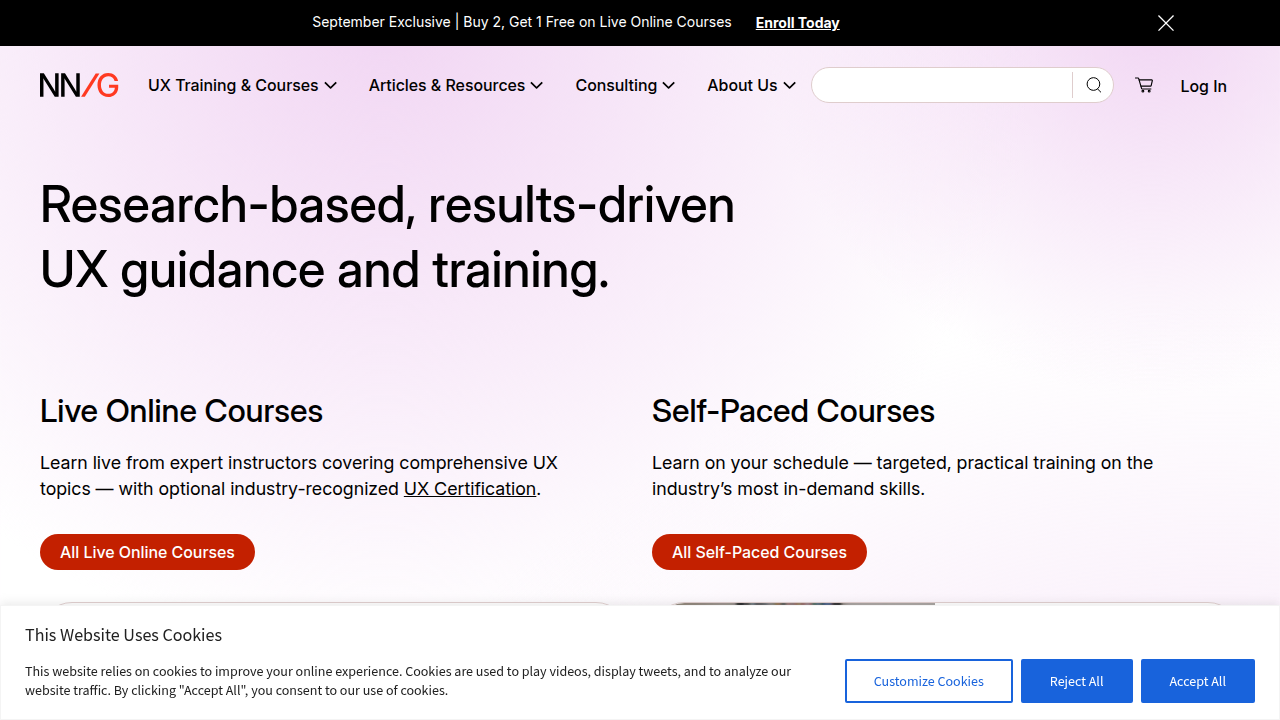
Experts often share tips on how to make sure everyone can use digital tools easily Digital Accessibility for Older Adults. Good design means avoiding small text, hard-to-see colors, and too many confusing options A Guide For Designing For Older Adults. When apps are made just for older adults, they work better and are more fun to use Optimizing mobile app design for older adults.
Hybrid models: combining in-person fun with remote play
Hybrid models mix the best of both worlds. Some players can gather together in a room, while others join in from home using their own devices. For example, a group might play bingo games at a senior center, with a leader calling out numbers. At the same time, people at home can watch on their screens and mark their cards digitally or with printouts.
This setup ensures that everyone can participate, even if they can’t be there in person. The leader can help guide the game, making sure both the in-person and online players are engaged. This way, the strong social connection of bingo remains, whether you’re sitting next to someone or seeing them on a screen. It adds flexibility, making it easier for more people to enjoy the brain-boosting benefits of bingo games. To explore more engaging activities, you might also like to check out other brain games for adults that sharpen memory and focus.
Summary
This article explains why bingo is an effective, low-barrier activity for older adults, combining simple cognitive exercise with social connection. It covers how classic number bingo strengthens attention and short-term memory, then details alternative formats (word, image, music bingo) that train language, visual, and auditory skills. The piece shows how to adjust difficulty—faster calls, multiple cards, larger print—to match players’ abilities, and gives practical guidance on logistics, materials, pacing, and volunteer roles to run 45–60 minute sessions. It emphasizes accessibility for vision, hearing, physical, and cognitive needs and offers ways to customize games for memory, language, or social goals. The article also recommends easy short-term and longer-term measures to track benefits and discusses digital and hybrid models that expand reach while keeping usability simple for older users. Readers will learn how to design, run, adapt, and evaluate bingo programs that are both fun and brain-beneficial.