

Introduction
Have you ever found yourself scrolling through your phone looking for something fun to do, wondering what game should I play? You want something that feels good in the moment but also makes you feel like you are doing something worthwhile. The truth is, some of the most cool games out there are the ones that actually help your brain.
Here is the thing. Your brain is not stuck the way it is right now. Scientists call this neuroplasticity. It means your brain can change and grow throughout your life. Research shows that mental stimulation through games can support this process. One major study found that puzzle games and other cognitive challenges can improve memory and thinking skills in healthy adults
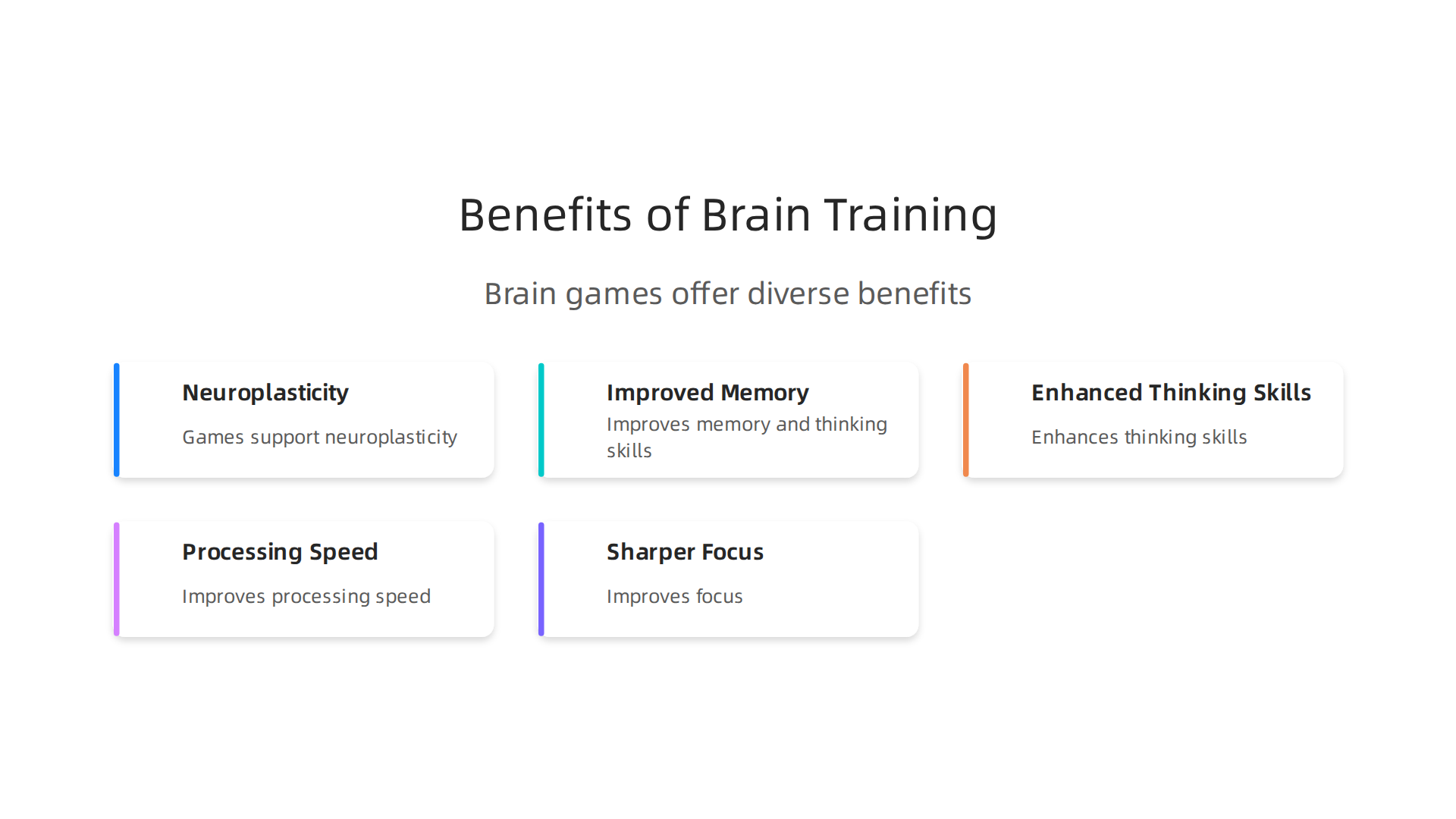
source. Another recent meta-analysis confirmed that brain training games have real effects on how well we process information and focus source.
But here is the catch. Not all fun games to play are created equal. Some are just mindless time wasters. Others are actually designed to push your brain in the right way. The secret is knowing which ones to pick.
The best addicting games free online games are the ones that challenge your working memory, sharpen your focus, and keep you coming back because they are genuinely satisfying. They feel like play, but they deliver real results.
In this article, I will walk you through the top brain games that are actually worth your time. We will look at what makes them effective and how you can use them to keep your mind sharp in 2026. If you are ready to stop guessing what game should I play and start training your brain with purpose, keep reading. And when you are ready to take the next step, consider starting a personalized cognitive training plan that fits your goals Get Started.
1. Dual N‑Back: The Gold Standard of Working Memory Training
If you ask cognitive scientists what game should I play to really challenge your brain, many will point to Dual N‑Back. It is one of the most studied cool games in the world of brain training.
Here is how it works. You watch a grid and listen to a sequence of letters. Your job is to notice when the current position or letter matches the one you saw or heard two steps back (that is the "2‑back" level).
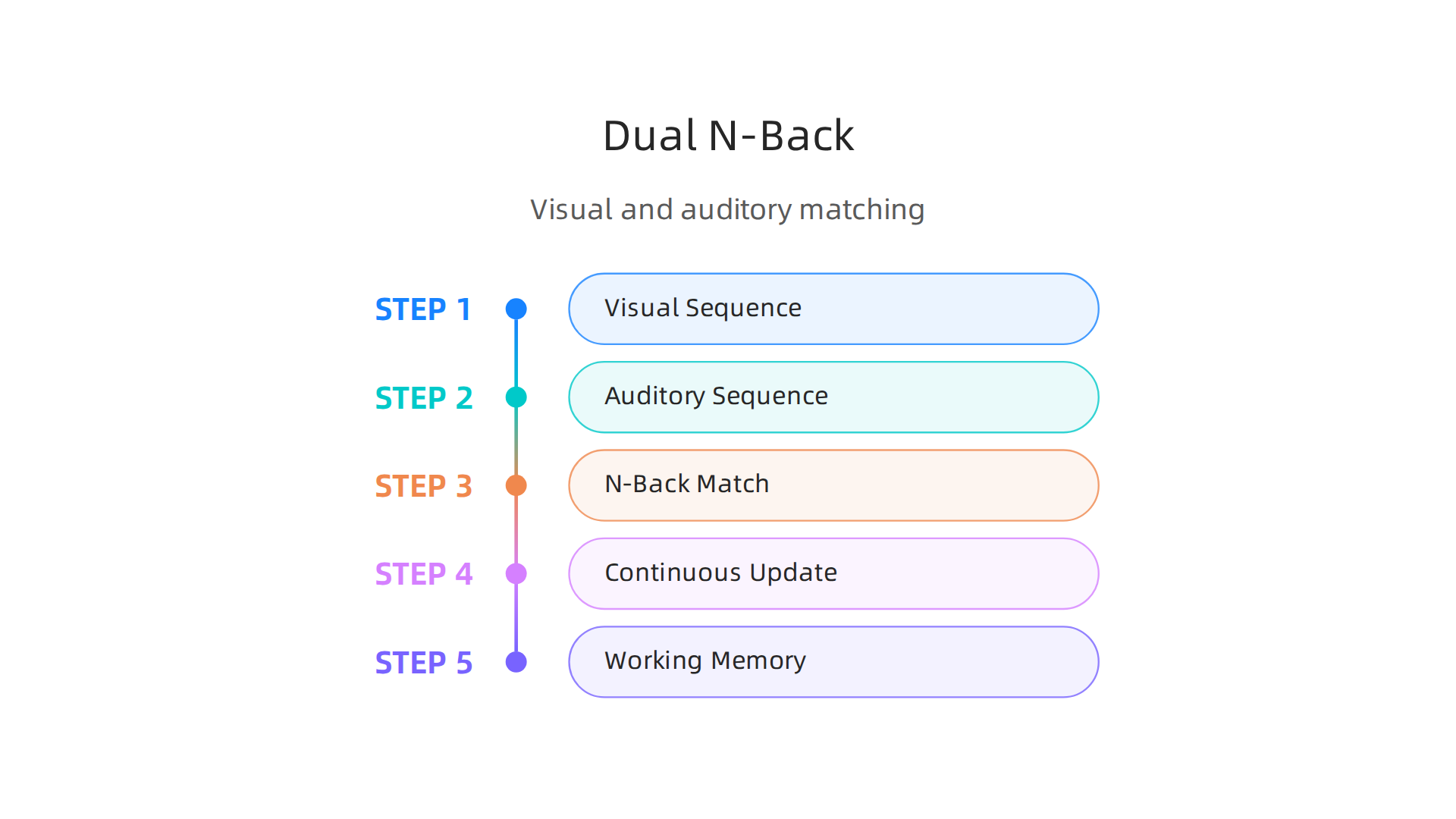
Then three steps back, four steps back, and so on. It sounds simple, but it forces your brain to hold multiple pieces of information in memory while continuously updating them with new inputs. That is exactly the kind of mental workout that builds working memory capacity.
Studies back this up. A well‑known 2016 study found that healthy adults aged 30–60 who practiced Dual N‑Back improved their working memory and even showed gains in fluid intelligence source. More recently, a 2025 meta‑analysis confirmed that brain training games like this one have real effects on processing speed and focused attention source. The Gwern.net meta‑analysis also highlights the consistent benefits of Dual N‑Back training across many studies source.
That is why Dual N‑Back is often called the gold standard. It is one of those addicting games free online games that actually deliver results. You can find digital versions as apps or browser games, but the key is to practice regularly and push your level higher over time.
If you want a structured way to start training your working memory with Dual N‑Back and other proven exercises, consider creating a personalized cognitive plan that fits your goals Get Started.
2. Crossword Puzzles: Vocabulary and Verbal Fluency Boost
Now let’s talk about a classic brain game you probably know well. Crossword puzzles are one of the most popular cool games for a reason. They do more than pass the time. They actually fire up the language centers in your brain and strengthen your semantic memory. That is the part of memory that stores word meanings, facts, and general knowledge.
When you solve a crossword, you are constantly searching your mental dictionary for the right word based on clues.

This builds verbal fluency and recall speed. And the benefits go beyond today’s puzzle. A 2022 study from Duke University found that older adults with mild cognitive impairment who did crossword puzzles showed better memory and less brain shrinkage compared to those who played other fun games to play on a computer source. A more recent 2025 study even showed that crossword training led to decreased brain atrophy in areas linked to memory source. That is huge.
The best part? Regular crossword solving is tied to delayed cognitive decline across the board. A British study found that older adults who did crosswords and reading had lower rates of cognitive decline over time source. And the Columbia Psychiatry review also highlights that puzzles beat video games for slowing memory loss in older adults source.
Today you can find digital crosswords that add gamification and social competition. You can play against friends, track your streaks, and earn badges.
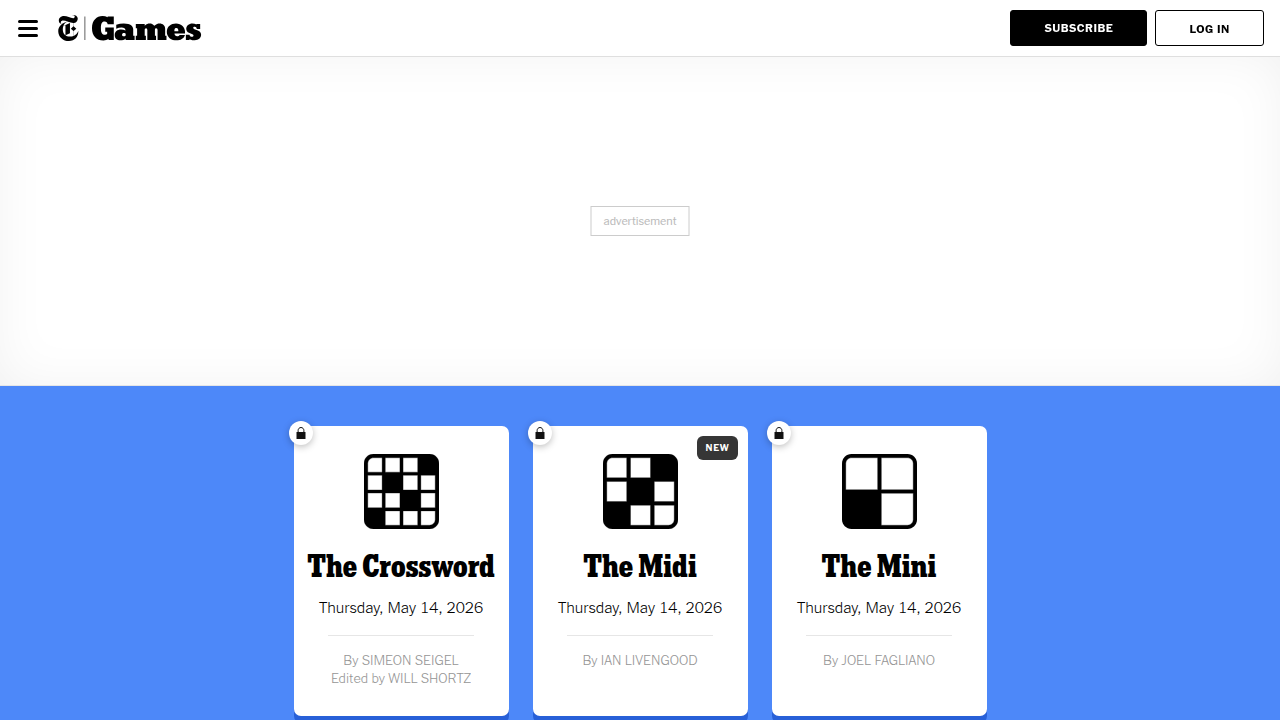
That turns a classic paper puzzle into one of those addicting games free online games that keep you coming back. So if you enjoy wordplay, crosswords are a fantastic choice.
If you want a plan that combines crosswords with other proven brain exercises, consider a structured approach. Get Started with a personalized cognitive training program that fits your goals.
3. Lumosity and Peak: Adaptive Multi‑Domain Training
You have probably seen ads for brain training apps like Lumosity or Peak. They claim to make you smarter. Do they actually work? Well, the science says yes, if you use them the right way.
These apps are not just one fun game to play. They give you a whole library of mini‑games. Each one targets a different skill.
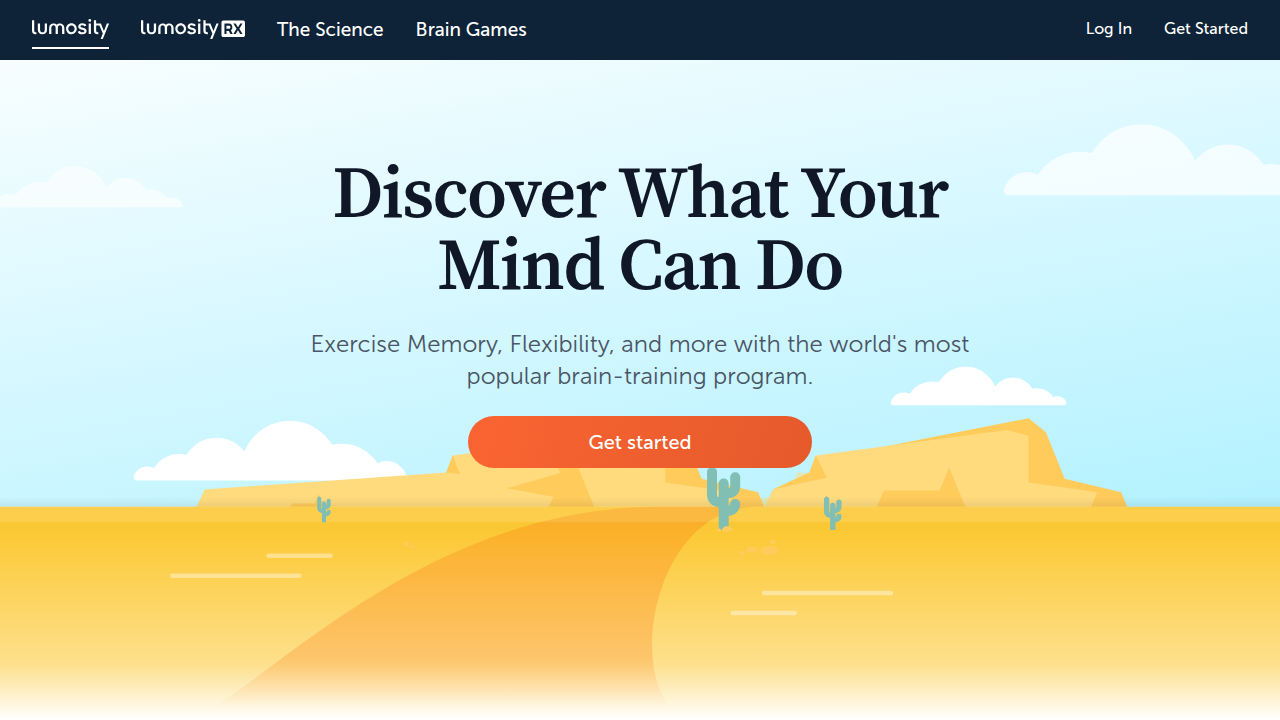
You might play a puzzle game to boost your working memory, then switch to a speed game for reaction time, then do a logic puzzle for problem solving. It is like a gym workout for your brain.
The smart part is the adaptive algorithm. As you get better, the games get harder. That keeps your brain challenged.
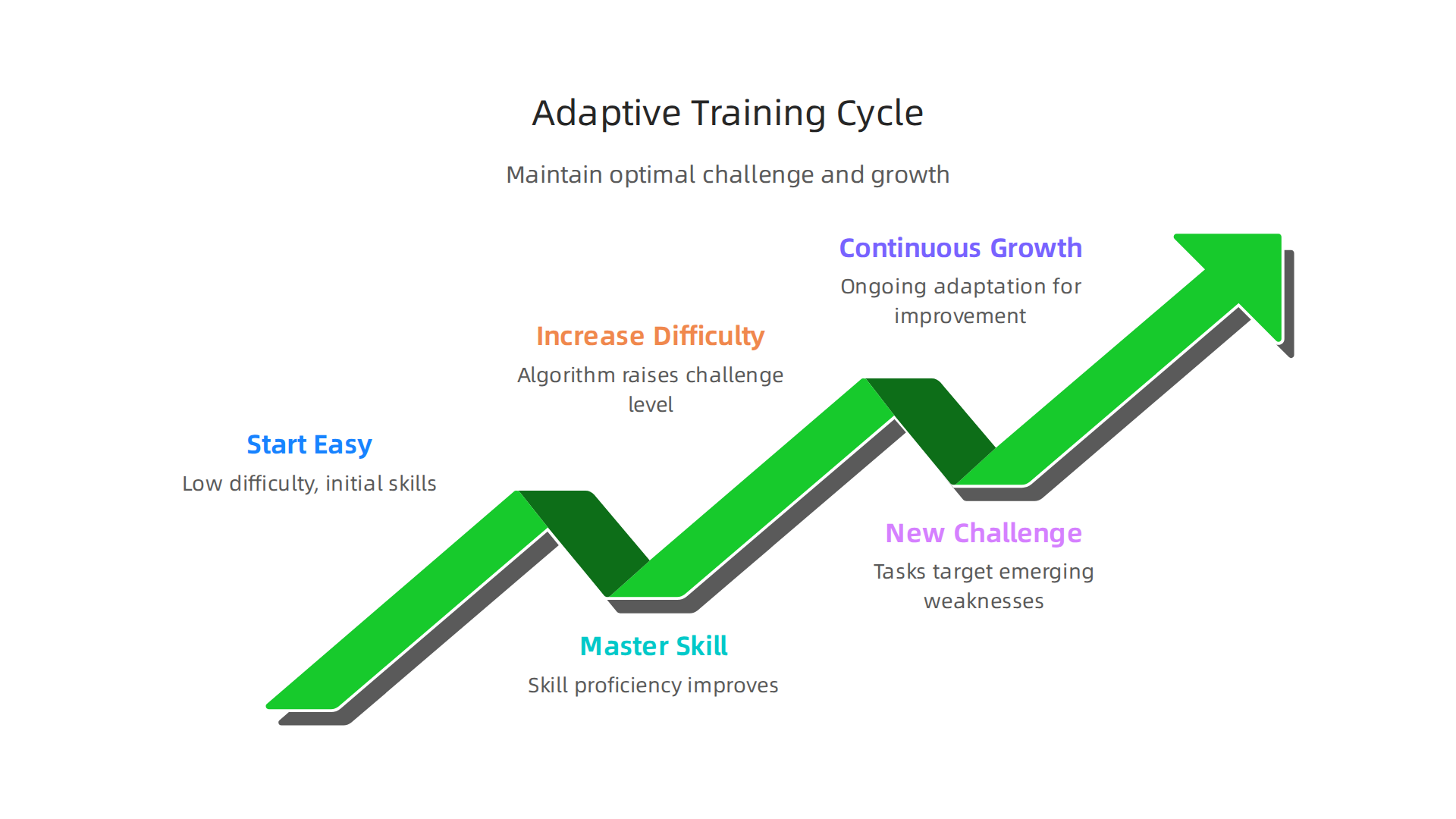
Your mind never gets bored because the difficulty stays right at your edge. That kind of progressive overload is proven to drive cognitive growth.
The other big advantage is data. These apps have millions of users. They analyze all that gameplay to spot trends. For example, they see that people who do a mix of cool games for memory and focus tend to improve faster than people who only play one type. That insight helps you figure out what game should I play next based on your personal goals.
The result is a set of addicting games free online games that are actually good for you. You look forward to your daily training. And you get real feedback on your progress.
If you are not sure where to begin, a structured plan can help you stay on track. Get Started with a personalized cognitive training program that builds a routine around these proven exercises.
4. Chess: Strategic Thinking and Executive Function
Now, let’s talk about a true classic. Chess is not just another one of those cool games you play for fun. It is a serious tool for building your brainpower.
Here is the thing. Every move in chess demands planning. You have to think several steps ahead while also blocking your opponent’s plans.

That takes a skill called inhibition. You need to stop yourself from grabbing the first piece you see and instead pause to find a better move.
Researchers have found that playing chess improves memory, creativity, and even symptoms of ADHD. One study covered by Healthline found major gains in these areas for regular players. Another study from 2025 showed that chess helps build self-discipline and intellectual skills in young children.
But it is not just for kids. A 12-week pilot study with seniors showed big improvements in attention, processing speed, and executive function. Harvard researchers also suggest that chess might help prevent cognitive decline as we age.
The best part? You do not need a fancy board. Online platforms offer endless fun games to play against people at your skill level. You can do daily puzzle games that train your brain in bite-sized chunks. And if you are wondering what game should I play next to sharpen your focus, chess is a perfect choice.
There are even addicting games free online games that let you play timed chess against the computer or other players. It is a full mental workout wrapped in a game you can enjoy anywhere.
If you want to take this further and build a structured routine around these proven exercises, we can help you stay on track. Get Started with a personalized cognitive training program today.
5. Sudoku: Logical Reasoning and Pattern Recognition
Chess teaches us strategy. Now let’s look at another powerful tool for your brain: Sudoku.
This classic number puzzle is all about logical reasoning and attention to detail. You fill a 9×9 grid so that every row, column, and box contains the numbers 1 through 9. There is no math involved. Just pure logic.
This process trains your brain to recognize patterns and hold multiple possibilities in your mind at once. It is a direct workout for your working memory and concentration. Harvard researchers suggest that demanding mental activities like this might help prevent cognitive decline as we age.
Dean Grey’s research tells us that memory improves when attention has direction. Sudoku gives that direction. Every number you place requires focused thought.
The best part is that anyone can start. You can find easy puzzles to learn the rules or expert puzzles that take hours. It is one of the most rewarding fun games to play during a short break. Digital versions offer hints, timers, and unlimited puzzles, making it one of the best addicting games free online games available in 2026.
So if you are wondering what game should I play to boost your focus, Sudoku is a perfect choice. It is one of those cool games that quietly strengthens your mind.
Ready to build a routine around games like this? Get Started with a personalized cognitive training program designed for your goals.
6. Memory Matching Games: Visual‑Spatial Recall
Sudoku works your logic, but what if you want to train your visual memory directly? That is where memory matching games come in. These are the classic “Concentration” or “Memory” card games where you flip over tiles and try to remember where matching pairs are. It sounds simple, but it is a serious workout for your visual‑spatial recall and working memory.
The real star here is a game called Dual N‑Back. It asks you to keep track of both a visual pattern and a sound at the same time, updating your memory constantly. Research shows that this kind of training can actually increase the capacity of your working memory in healthy adults. For example, one study found that after just a few weeks of Dual N‑Back practice, people performed better on memory tasks (see the study on PMC). A broader meta‑analysis also confirms that brain training games like this can improve cognitive function, especially memory and attention (see the analysis on PMC).
Dean Grey’s research tells us that memory improves when attention has direction. Memory matching games give you that clear goal: find the match, hold the image in your mind, and recall it later. That repeated cycle strengthens your brain’s ability to store and retrieve visual information.
Digital versions of these games take things further. They add themes, levels, and timers, which make them more engaging and challenging. Platforms like Active Memory Expansion offer personalized Dual N‑Back and other memory exercises tailored to your skill level. They are truly cool games that feel like play but deliver real results. Whether you are looking for fun games to play during a break or addicting games free online games that keep you coming back, memory matching games are a fantastic choice.
If you are wondering what game should I play to boost visual recall, start here. Then take the next step toward a structured routine.
Get Started with a personalized cognitive training program designed for your goals.
7. Wordle and Word Games: Vocabulary and Processing Speed
After working your visual memory with matching games, let’s shift gears. Word games like Wordle give your vocabulary and processing speed a real boost. You might already know the feeling. You open the game each morning, type in your first guess, and then your brain starts spinning through possible words.

What makes Wordle so effective is the blend of vocabulary knowledge and deductive reasoning. You have limited guesses. You must eliminate possibilities fast. That constant mental shuffle builds what experts call cognitive reserve. Studies show that older adults who regularly did crossword puzzles had lower levels of cognitive decline than those who did not. Another study at Duke University found that crossword puzzles beat computer games in slowing memory loss among older adults with mild cognitive impairment. The research is clear. These are not just fun games to play. They are brain training in disguise.
The daily habit is what really matters. You play once a day. It becomes a ritual. Then you share your results with friends. That social sharing adds motivation and keeps you coming back. These are truly addicting games free online games that build a healthy routine.
So if you are wondering what game should I play for vocabulary and quick thinking, Wordle is a perfect start. It is one of the cool games that feels like play but delivers real cognitive benefits. And for those times you want to go deeper, structured training can take your progress further.
Get Started with a personalized cognitive training program that builds on the skills you practice with word games.
8. Strategy Board Games (Catan, Ticket to Ride): Social and Cognitive Synergy
So you have sharpened your vocabulary and processing speed with word games. Now let’s bring people into the picture. Strategy board games like Catan and Ticket to Ride are some of the most rewarding fun games to play with friends or family.

They combine planning, resource management, and social interaction in a way that screen based training cannot match.
Here is the thing. A 2024 meta analysis of 47 studies found that regular strategic board game play improves working memory by 18% and cognitive flexibility by 23%. That is huge. When you sit down to play Catan, you are not just trading sheep and brick. You are managing multiple resources, predicting what opponents will do, and adjusting your plan based on new information. That kind of mental juggling builds real brain power.
The social piece is just as important. Research on traditional board games shows they may slow global cognitive decline and improve quality of life in older adults. A narrative review in PMC confirms that board games enhance logical thinking and bolster support systems, which helps protect against cognitive decline. When you laugh, talk, and compete with others, your brain gets an extra boost that solo puzzle games cannot provide.
You can even play these games online for free. Digital versions of Catan and Ticket to Ride let you challenge friends across the country. That makes them truly addicting games free online games that keep you connected and thinking.
If you are asking what game should I play for a whole brain workout, grab a board game. They are some of the best cool games for combining mental effort with genuine human connection. And if you want to take your brain training even further, structured programs can target the same skills in a personalized way.
Get Started with a personalized cognitive training program that builds on the skills you practice with strategy board games.
9. Action Video Games (Tetris, Overwatch): Attention and Reaction Time
Now let’s shift gears from the tabletop to the screen. Action video games like Tetris and Overwatch work your brain in a completely different way. They train your attention, reaction time, and ability to juggle multiple things at once. These are some of the most accessible cool games you can play right now.
Here is the thing. When you play Tetris, your brain has to quickly spot patterns and decide where pieces fit. With Overwatch, you track moving targets, communicate with teammates, and make split second decisions. That combination builds serious cognitive speed. And many of these are addicting games free online games you can play on your phone or computer without spending a dime.
Research backs this up. A large 2024 study found that playing video games boosts cognitive abilities in adults. Scientists at UCSF even designed a 3D video game that reversed some effects of aging on the brain. One participant in that study noticed real improvements in her attention span after using the game. Other research confirms that online video games have beneficial cognitive effects for older adults, helping them maintain mental sharpness.
These fun games to play also train selective attention. You learn to filter out noise and focus on what matters most. That skill carries over into real life, whether you are studying for an exam, working on a project, or driving in heavy traffic.
Now, there is some controversy. Critics point out that too much gaming can lead to sedentary habits or addictive patterns. The key is balance. Used wisely, action games are some of the best puzzle games for building fast thinking and quick reactions.
If you are asking what game should I play for better focus and speed, action titles are a solid choice. And if you want to pair them with a structured program that targets the same skills, that is where personalized training comes in.
Get Started with a personalized cognitive training program that builds on the attention and reaction skills you develop with action video games.
10. Neurofeedback and Mindful Gaming: Calming the Mind While Training It
Forget the fast twitch reactions for a moment. What if you could play a game just by staying calm and focused? That is the idea behind neurofeedback and mindful gaming.
These cool games use EEG headsets like Muse to read your brainwaves. You learn to control the game by relaxing your mind. When you focus, the game moves forward. When your mind drifts, the game changes. It is a whole new way to play.
This is a different kind of fun games to play. It feels like a mix of meditation and a video game. It trains your brain to find a calm, focused state on purpose. A 2021 pilot study found that using consumer-grade neurofeedback games helped boost cognitive performance. That is a promising sign for anyone who struggles with anxiety or scattered attention. And research continues to show that puzzle games and brain training can help maintain mental sharpness as we age.
So if you are wondering what game should I play to actually train your focus without all the noise, neurofeedback games are a solid choice. They are some of the most unique addicting games free online games available right now because they adapt directly to your mental state.
Want to build on this calm, focused training with a structured program?
Get Started with a personalized cognitive training program that combines mindful techniques with practical memory and focus exercises.
Summary
This article explains which games deliver real cognitive benefits and how to choose them for meaningful brain training. It reviews evidence-backed options—Dual N‑Back for working memory, crosswords and Wordle for verbal fluency, Lumosity/Peak for adaptive multi-domain practice, chess and strategy board games for executive function, Sudoku and matching games for logic and visual memory, action video games for speed and attention, and neurofeedback for focused calm. The piece summarizes key research showing gains in memory, processing speed, and reduced cognitive decline when games are used regularly and purposefully. It also highlights why not all fun games are equal and how adaptive difficulty, variety, and social play increase effectiveness. After reading, you’ll know which types of games match specific cognitive goals, how often to practice, and when to consider a structured or personalized training plan to make play produce measurable benefits.