Why sleep tracking apps matter for focus, memory, and daily mental clarity
Do you ever feel like your brain is in a fog after a night of bad sleep? You’re not alone. When we don’t get enough good sleep, it makes it really hard to focus, remember things, and learn new stuff. Studies show that poor sleep can lead to more stress, feeling tired all day, and not being as alert as usual, which harms how well your brain works for things like school or work Sleep Deprivation and Its Impact on Cognitive Function and …. Actually, good sleep is super important for our brains to work their best, helping with things like paying attention, remembering, and making choices Physical activity, athletic performance, and recovery: The role of sleep.
This is where sleep tracking apps come in handy. These apps are tools that watch how you sleep. At first, they just log your sleep, showing you how long you slept. But today in 2026, many sleep tracking apps go much further. They give you helpful tips and ideas based on your sleep patterns. This means they turn simple data into steps you can take to sleep better. By understanding your sleep, you can make small changes that lead to big improvements in your daily focus, how well you remember things, and how clear your mind feels every single day.

Better sleep helps your brain reset and get ready for the next day’s challenges. If you are struggling with focus, remember that Train Attention First because memory improves when attention has direction. You can also explore brain games that sharpen your mind and boost memory to further improve your cognitive abilities.
Our brains do amazing things while we sleep, far more than just resting. Sleep is like a nightly cleanup and organizing session for your brain. It’s when your brain sorts through all the information from the day, decides what to keep, and makes sure you can find those memories later. This special process keeps your attention sharp, your memory working well, and your mind clear every day.
During the night, your sleep goes through different stages. There’s light sleep, deep sleep, and REM (Rapid Eye Movement) sleep. Each stage helps your brain in a different way. Deep sleep is super important for turning new facts and skills into lasting memories. It’s like your brain is filing away important papers so you can recall them when needed. REM sleep is also key for learning and problem-solving, helping your brain make connections and understand things better. This means that when you get enough of these different sleep stages, your brain wakes up ready to pay attention and learn new things easily.

If you want to understand more about how your brain works, you can explore a Brain Map Explained: Sharpen Memory, Attention, and Learning.
When you don’t get enough sleep, or your sleep is often broken, your brain doesn’t get to do all its important work. Think of it like trying to clean a messy room in the dark or getting interrupted every few minutes. The job doesn’t get done right. Studies show that when sleep is short or not good, it can really hurt your ability to focus, remember things, and think clearly The Effect of Sleep Deprivation on Cognitive Function in Adults. You might find yourself easily distracted, forgetting small details, or struggling to learn new information. This can make schoolwork or your job much harder. Even a little bit of bad sleep can lead to your mind wandering more often, making it tough to stay on task Mind Wandering and Sleep in Daily Life.
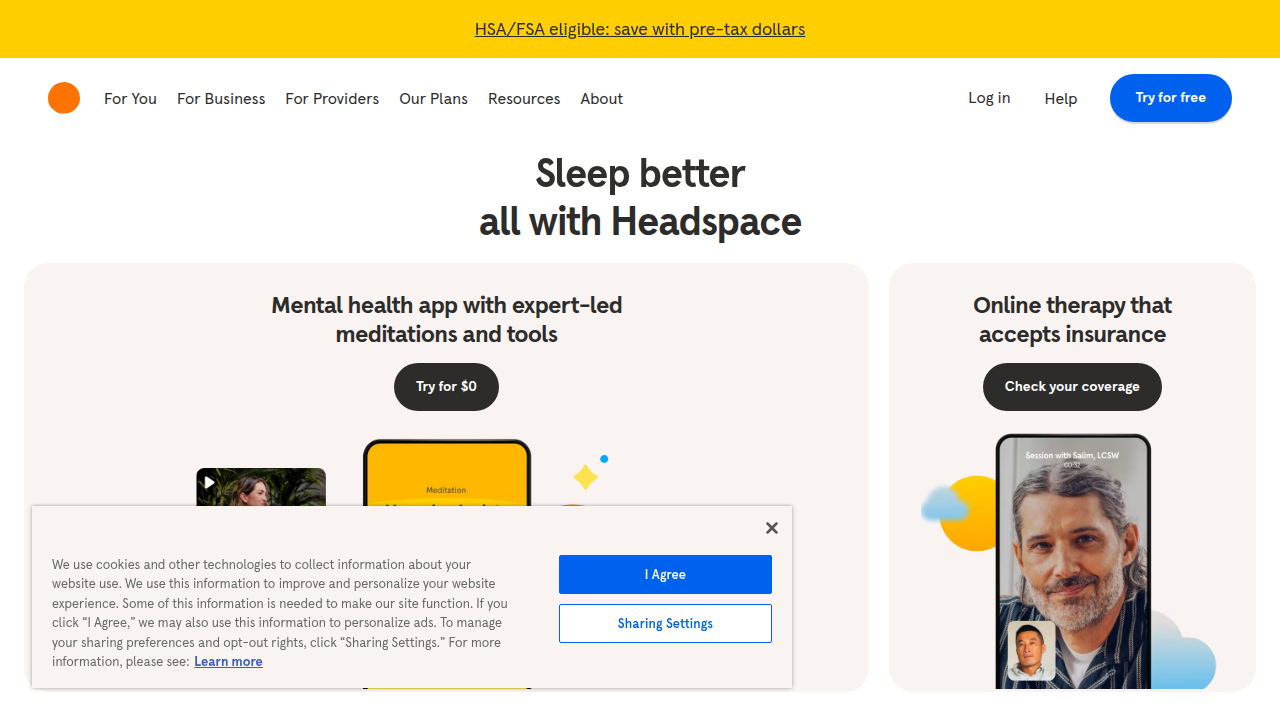
This is where sleep tracking apps can be a real help. By keeping an eye on your sleep patterns, these apps can show you if you’re getting enough deep sleep or REM sleep. They can help you see if your sleep is fragmented, meaning you wake up a lot without realizing it. Knowing these things helps you understand why you might be feeling foggy or forgetful during the day. For example, if your app shows you’re not getting enough deep sleep, you might try going to bed earlier or using relaxation techniques. Apps like the Headspace app can also help you relax and fall asleep better, which in turn improves your brain’s ability to store memories and stay focused.
When your brain gets the full cycle of sleep it needs, you’ll notice a big difference in your attention, how well you remember things, and how clear your mind feels, helping you be more productive and learn better in 2026.
What Sleep Tracking Apps Actually Measure: Accuracy, Sensors, and Validity
So, how do these handy sleep tracking apps know what’s happening while you’re asleep? It’s all thanks to clever sensors and smart computer programs. Most sleep tracking apps, whether they’re on your phone or a wearable device like a smartwatch, use a few main tools to guess your sleep patterns.
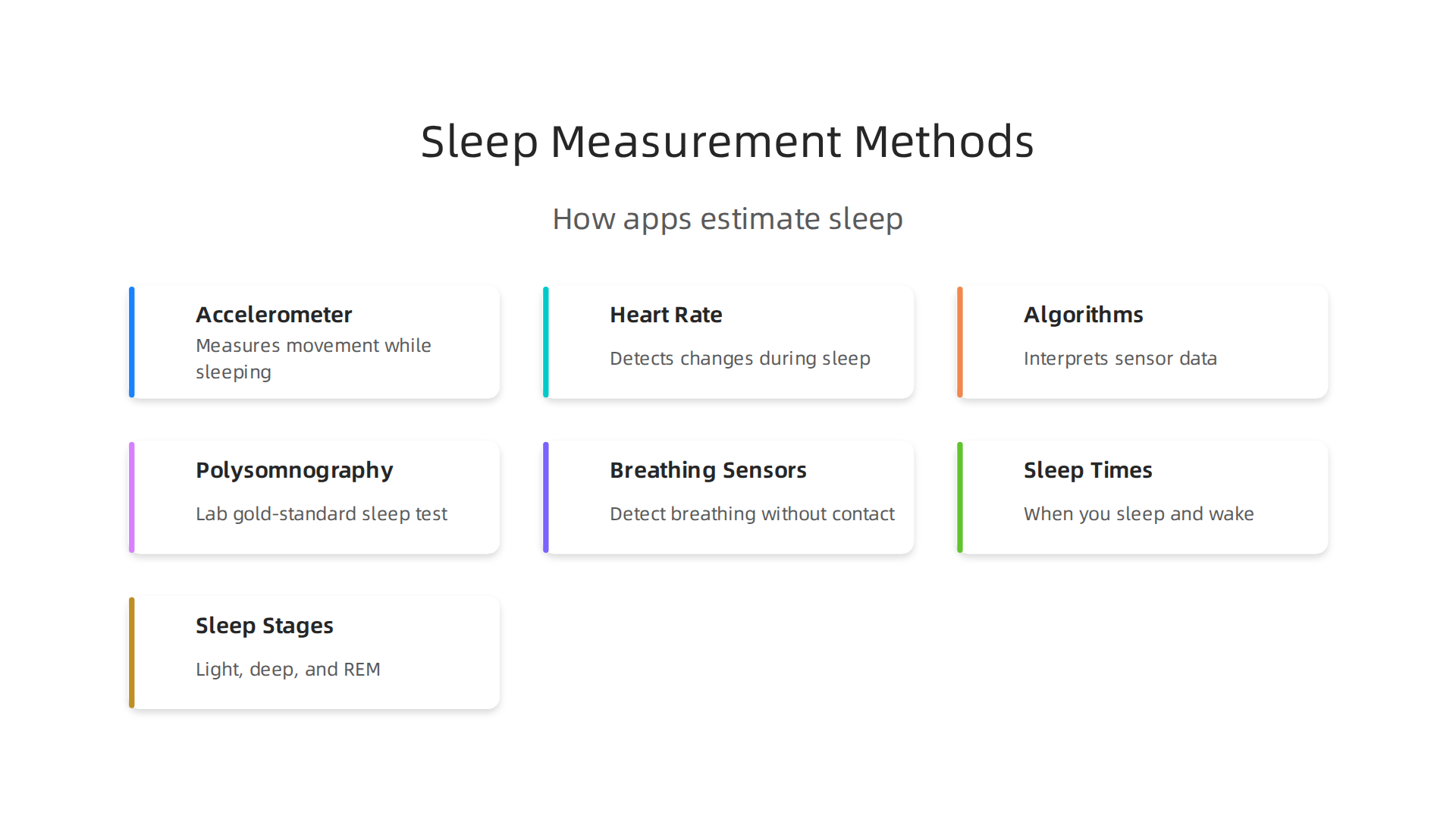
One common sensor is called an accelerometer. This little device measures movement. When you’re awake, you move around a lot. In light sleep, you might shift a little. During deep sleep, you usually stay very still. And during REM sleep, your body might be still, but your eyes move quickly, and your breathing might change. By tracking these movements, the app can guess which sleep stage you are in.
Some advanced sleep tracking apps and devices also have heart rate monitors. Your heart rate changes depending on if you’re awake or in different sleep stages. A slower, steady heart rate often means you’re in deep sleep. By combining movement and heart rate data, these apps can get a better picture of your sleep cycle. There are even non-wearable trackers that use special signals to detect your breathing and heart rate without touching you
Evaluating sleep quality in a non-intrusive manner using contactless radar sensor.
The information from these sensors goes into a special computer program, an algorithm. This program uses what it knows about how people usually sleep to make its best guess about your light sleep, deep sleep, and REM sleep. It also tries to figure out when you wake up or if your sleep is broken.
But how accurate are these sleep tracking apps, really? Scientists check their accuracy by comparing them to something called polysomnography (PSG). PSG is considered the "gold standard" for sleep measurement. It’s done in a sleep lab where doctors attach many sensors to your head and body to measure brain waves, eye movements, muscle activity, breathing, and heart rate. It gives a very detailed and precise look at your sleep.
Studies have looked at how well consumer sleep tracking apps and devices match up to PSG results. While many sleep tracking apps are getting better, especially in 2026, they are still not as perfect as a sleep lab test. For example, some devices are good at telling if you’re awake or asleep, but less exact at telling the difference between light, deep, and REM sleep Performance of seven consumer sleep-tracking devices compared with polysomnography. Think of it like a weather forecast: it gives you a good idea of what to expect, but sometimes it’s a little off.
The goal of these sleep tracking apps isn’t to replace a doctor’s visit or a sleep study. Instead, they give you useful trends and insights into your sleep habits at home. This information can help you make changes to improve your sleep, which in turn helps you improve your brain’s ability to rewire your mind for better memory and focus. Knowing your sleep patterns helps you understand if you’re getting enough of the right kind of sleep needed for your brain to work its best.
Sleep tracking apps can be very helpful for understanding your sleep. But it’s also important to think about the personal information these apps collect. Just like any tool that gathers data about you, your privacy matters.
What Kind of Data Do Sleep Tracking Apps Collect?
These sleep tracking apps gather a lot of personal health information.

They often record:
- When you go to sleep and wake up
- How much you move during the night
- Your heart rate while you sleep
- The different stages of your sleep, like light, deep, and REM sleep
Some apps might even ask for your age, weight, or other health details to make their sleep advice better. All this information, especially about your health, is very private.
Your Data: Who Sees It and What Are the Risks?
The big question is: what happens to this private sleep data?
- Selling Data: Some companies might share or sell your sleep data to other businesses. This could be for advertising or for research.
- Security Problems: If an app’s security isn’t strong, hackers could get to your personal sleep information.
- Other Uses: Imagine if your health insurance company got your sleep data. Could it change how they see your health? These are real worries that make privacy very important.
It’s a good idea to read an app’s privacy policy to see what it says about sharing your data.
For example, apps like the popular Headspace app or other wellness apps often collect personal data, so it is wise to know how they handle your information.
Rules for Health Data and Sleep Apps
In the United States, there’s a big law called HIPAA (Health Insurance Portability and Accountability Act) that helps protect your health information. However, here’s a tricky part: many regular consumer sleep tracking apps and wearable devices may not always fall under HIPAA’s strict rules. This means the health data collected by these apps might not have the same level of protection as information shared with a doctor or hospital HIPAA: Essential Information for Digital Health App Companies.
This situation can be confusing because the app is collecting health data, but it’s not always treated the same way as a medical record. The U.S. government offers Resources for Mobile Health Apps Developers to help them understand these rules.
Other countries have their own strong rules, like the GDPR in Europe, which helps protect people’s data. In 2026, there is a lot of talk about strengthening these laws to give people more control over their personal health data AMA health data privacy framework.
Because of these differences, it’s really up to you to be careful. Always check the privacy policy of any sleep app you use. See what it says about:
- What data they collect
- How they use it
- Who they share it with
- How long they keep your data
Knowing these things helps you make smart choices about your digital health and privacy, just as you might research the privacy settings of different best memory apps 2026 before using them.
Okay, so you’ve looked at the privacy rules for your sleep tracking apps. Now, let’s talk about how to use the information these apps give you to feel more focused during the day.

After all, understanding your sleep patterns is the first step to boosting your daytime energy and attention.
Translating Sleep Data into Daily Habits
Your sleep tracking apps give you cool insights into your sleep stages. It tells you about light sleep, deep sleep, and REM sleep. Deep sleep is important for your body’s recovery and memory. REM sleep helps with learning and dreams. If your app shows you’re not getting enough deep or REM sleep, it’s a sign you might need more quality rest overall. For example, some research shows how smartphone apps can help people understand their sleep and change their habits by assessing existing sleep apps for mobile phones Smartphone applications for sleep tracking: rating and perceptions.
Here’s how to turn that info into a daily focus routine:
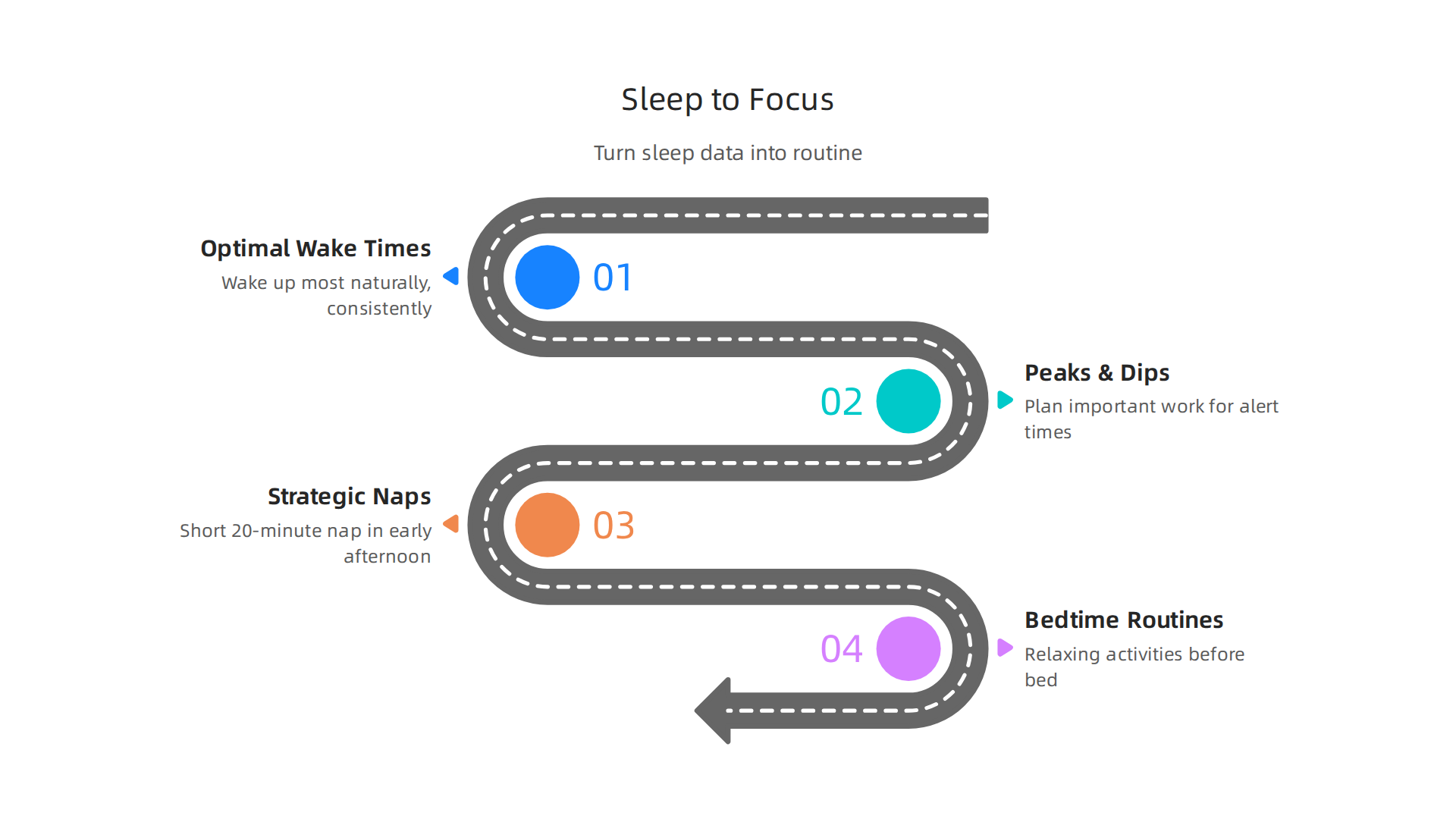
- Optimal Wake Times: Notice when your sleep tracking app shows you wake up most naturally. Try to set your alarm for this time every day, even on weekends. Waking up at the same time helps your body’s inner clock.
- Energy Peaks and Dips: Look at your data for a week. Do you feel tired every afternoon around 2 PM? This might be your natural energy dip. Plan your most important, focused work for when you feel most alert, usually in the morning.
- Strategic Naps: If your app suggests you’re missing out on sleep, a short 20-minute nap in the early afternoon can really help. But don’t nap too late, or it might mess with your nighttime sleep.
- Bedtime Routines: If your app shows you take a long time to fall asleep, try a relaxing bedtime routine. This could be reading a book, taking a warm bath, or using a calming app like the Headspace app. Wellness apps are a big trend in 2026, helping with sleep quality and recovery Top 10 Wellness App Trends in 2026.
Making New Habits Stick
Changing your sleep and focus habits takes time. Here are some simple ways to make it easier:
- Small Steps: Don’t try to change everything at once. Maybe start by going to bed 15 minutes earlier, or scheduling one hour of distraction-free work in the morning.
- Use Your Tools: Set reminders with a digital calendar, like the google calendar app for mac, to keep your new sleep and work times. For focused work, you might try tools like the freedom app to block websites that distract you.
- Be Patient: It takes about 66 days for a new behavior to become a habit. Don’t get discouraged if you miss a day. Just get back on track the next day.
- Connect Sleep to Focus: Remember that good sleep directly helps your brain work better. It helps with memory, learning, and staying focused. Improving your brain’s ability to focus is a key part of memory expansion. To understand more about how your brain learns and focuses, you might be interested in topics like brain plasticity rewire your mind for better memory and focus.
Once you start seeing how your sleep patterns affect your day, you can make smart choices to feel sharper and more productive. Learning how to direct your attention is a big part of making the most of your brain. If you’re looking to enhance your ability to focus and improve memory, it’s essential to first direct your attention. Train Attention First.
UX, motivation, and avoiding information overload from tracking
It’s great to get useful information from your sleep tracking apps. But sometimes, too much data can actually make things harder. Imagine getting a report with tons of numbers and charts every morning. It can feel like homework instead of help. This is where good app design, or UX, comes in.
Good sleep tracking apps are made to make things simple. Instead of drowning you in raw data, they give you clear summaries. They might tell you "You slept well last night!" or "You could use a bit more deep sleep this week." These apps often use "nudges," which are gentle reminders to stick to your goals. For example, a nudge might say, "Time to start winding down for bed!" This helps you make small, helpful changes without feeling overwhelmed. In 2026, the sleep app market is growing fast, and basic sleep tracking, known for its simplicity, leads the way in popularity Sleep Monitoring Apps Market Forecast 2026 – 2033. This shows that easy-to-understand tools are what people really want.
However, there are some common traps. Sometimes, focusing too much on every little number can lead to what people call "sleep anxiety." This means you might get worried if your app says you didn’t get enough deep sleep, even if you feel rested. Some folks even try to "sleepmaxx," pushing themselves to get perfect sleep, which can actually keep them awake at night Sleep Tracking and ‘Sleepmaxxing’ Change Bedtime Behaviors. Also, not all metrics from consumer sleep tracking apps are perfectly accurate, and relying too heavily on them can be misleading. It’s important to remember that these apps are tools to help you, not strict judges of your health.
The goal is to use the insights from your apps without letting them cause stress or confusion. Instead of chasing perfect numbers, focus on how you feel. Do you feel more energetic and focused during the day? That’s the real win. If you find yourself getting caught up in the endless data stream and the subtle ways technology might be steering your habits, you might want to read a Quietly Hijacked field note.
To truly get the most out of your mind and keep your brain sharp, it’s not just about sleep. Learning how your brain works and how to train it can make a big difference. For more insights on improving mental agility and concentration, explore resources on Brain Games for Adults Backed by Science to Sharpen Memory and Focus.
Choosing the right sleep tracking app isn’t a one-size-fits-all thing. What works best for a busy student might be different from what a working professional or an older adult needs. After all, everyone has different goals for their sleep and different ways they like to use technology. It’s about finding a tool that truly helps you without adding extra stress.
Your Decision Checklist for Sleep Tracking Apps
When picking a sleep tracking app, think about these important points:
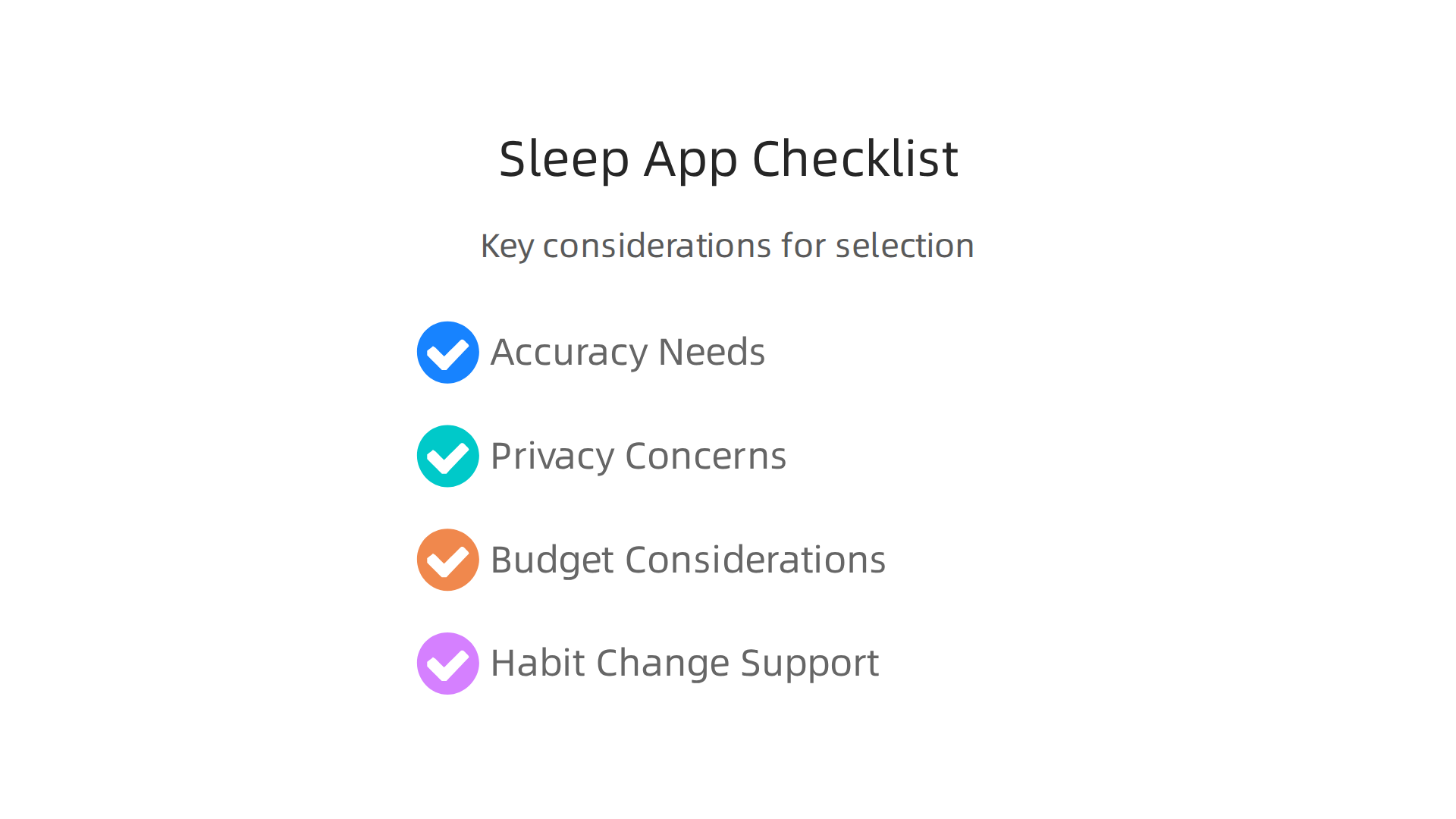
- How Accurate Do You Need It to Be? Some apps are better at telling you about your sleep stages than others. For most people, a general idea is fine. But if you have specific health concerns, you might want an app that has been checked against medical sleep studies, known as polysomnography, for more reliable data Transfer Learning from Clinical PSG to Real-World Wearables.
- What About Your Privacy? These apps collect personal health data. Always check how an app uses and protects your information. Do they share it? Can you control what they keep?
- What’s Your Budget? Many basic sleep tracking apps are free, but they might have ads or fewer features. Paid apps often offer more detailed reports, personalized advice, or no ads.
- Does It Help You Change Habits? The best apps don’t just show you data. They give you tips and gentle reminders to help you build better sleep habits. This kind of support for behavior change can be really valuable.
How Different Groups Prioritize Features
Let’s look at what different people might look for in their sleep tracking apps:
For Students
Students often face big pressures, and sleep can be the first thing to suffer. Bad sleep can make it harder to learn and remember things, which affects grades Sleep Deprivation and Its Impact on Cognitive Function and Academic Success. For students, the most important features might be:
- Behavior-Change Support: Apps that help you set a regular bedtime and wake-up time are very helpful.
- Simple Insights: Clear summaries that tell them how their sleep affects their studies, without too much confusing data.
- Cognitive Performance Links: Some apps might offer insights into how sleep affects their brain’s ability to focus and learn. To improve focus and memory, students can also explore Brain Plasticity Rewire Your Mind for Better Memory and Focus resources.
- Affordability: Free or low-cost options are usually best for student budgets.
For Professionals
People in demanding jobs need to stay sharp and productive. They need clear thinking and good energy levels. Poor sleep can harm their cognitive function, like memory and decision-making The Effect of Sleep Deprivation on Cognitive Function in. For professionals, key features include:
- Actionable Advice: Apps that provide clear, easy-to-follow steps to improve sleep, leading to better work performance.
- Integration: Maybe an app that works with other tools they use, like a
google calendar app for macor other health apps. - Minimal Overload: They’re already busy. Simple dashboards and notifications are better than too much data.
- Discreet Tracking: Wearable devices that fit seamlessly into their routine without being clunky.
For Older Adults
As we get older, concerns about memory and overall brain health often grow. Sleep plays a big role in keeping our minds healthy. Improving sleep quality can help cognitive functions Improving sleep quality through non-pharmacological interventions. Older adults might prioritize:
- Ease of Use: Simple interfaces and clear instructions are a must.
- Focus on Health Outcomes: Apps that connect sleep data to general wellness, like a
headspace appthat also helps with relaxation. - Accuracy: They might value more accurate data if they are monitoring sleep for health reasons.
- Motivation and Support: Gentle encouragement and easy-to-understand reports can help them stick with good sleep habits.
- Cognitive Enhancement: For those looking to proactively maintain mental sharpness, exploring resources like Brain Map Explained Sharpen Memory Attention and Learning alongside sleep tracking can be beneficial.
Summary
This article explains why sleep tracking apps matter for daily mental clarity, focus, and memory by showing how sleep stages (light, deep, REM) support learning and attention. It describes the sensors and algorithms sleep trackers use, how their accuracy compares to clinical polysomnography, and why they’re best seen as trend tools rather than lab-grade tests. The guide covers privacy issues—what data these apps collect, who might access it, and why consumer apps may not have the same legal protections as medical records. It also shows how to translate sleep insights into practical habits (wake times, naps, bedtime routines) and how to avoid pitfalls like data overload or